


How to Market Your Mobile App on a Small Budget
Launching a mobile app is just the beginning of your journey. To succeed, you need effective marketing strategies that don’t break the bank. Let’s explore practical, low-cost tactics to market your mobile app and achieve great results.
Understanding Your Audience: The First Step

Before diving into marketing tactics, it’s crucial to understand who your audience is. Conducting thorough market research helps identify potential users and their needs. Use tools like SurveyMonkey to gather data cheaply and effectively. This foundational step ensures your marketing efforts are well-targeted and efficient.
Leverage App Store Optimization (ASO)

App Store Optimization is your best friend when working with a small budget. ASO involves optimizing your app’s title, description, and keywords to improve visibility in app store searches. Focus on:
- Keyword Research: Use free tools like Keyword Tool to find relevant keywords.
- Compelling Visuals: Create engaging icons and screenshots that highlight your app’s features.
- Positive Reviews: Encourage satisfied users to leave positive reviews, boosting your app’s credibility.
Utilize Social Media Channels

Social media is a cost-effective way to reach a broad audience. Platforms like Instagram, Facebook, and Twitter can be leveraged to create buzz around your app. Here’s how:
- Content Calendar: Plan and schedule posts using free tools like Buffer to maintain consistency.
- User Engagement: Engage with your audience through comments and direct messages to build a community.
- Influencer Partnerships: Collaborate with micro-influencers who resonate with your target audience.
Implement Email Marketing
Email marketing remains a powerful tool for app promotion. Building an email list allows you to directly reach potential users with updates and promotions. Consider the following strategies:
- Lead Magnets: Offer free guides or exclusive content in exchange for email sign-ups.
- Personalized Campaigns: Use platforms like Mailchimp to send targeted and personalized emails.
- Automation: Set up automated email sequences to nurture leads and convert them to users.
Create a Landing Page

A dedicated landing page can significantly enhance your app’s marketing efforts. It serves as a central hub for information and conversions. Ensure your landing page is:
- SEO-Optimized: Use relevant keywords for better search engine ranking.
- Visually Appealing: Include compelling visuals and clear call-to-action buttons.
- Informative: Provide detailed information about your app’s benefits and features.
Participate in Online Communities

Engaging with online communities is an excellent way to increase your app’s visibility. Join forums and groups related to your app’s niche. Here’s how to make the most of these platforms:
- Value-Driven Contributions: Share insights and answer questions to establish authority.
- Soft Promotion: Mention your app when it’s genuinely relevant to the discussion.
- Networking: Connect with other developers and potential users to expand your reach.
Leverage Content Marketing

Content marketing is a long-term strategy that can yield substantial returns. Create valuable content that educates and engages your audience. Consider the following approaches:
- Blogging: Write articles related to your app’s industry and share them on platforms like Medium.
- Video Content: Create tutorial videos or demos to showcase your app’s features.
- Guest Posts: Contribute to reputable blogs to reach a broader audience.
Harness the Power of Free Publicity
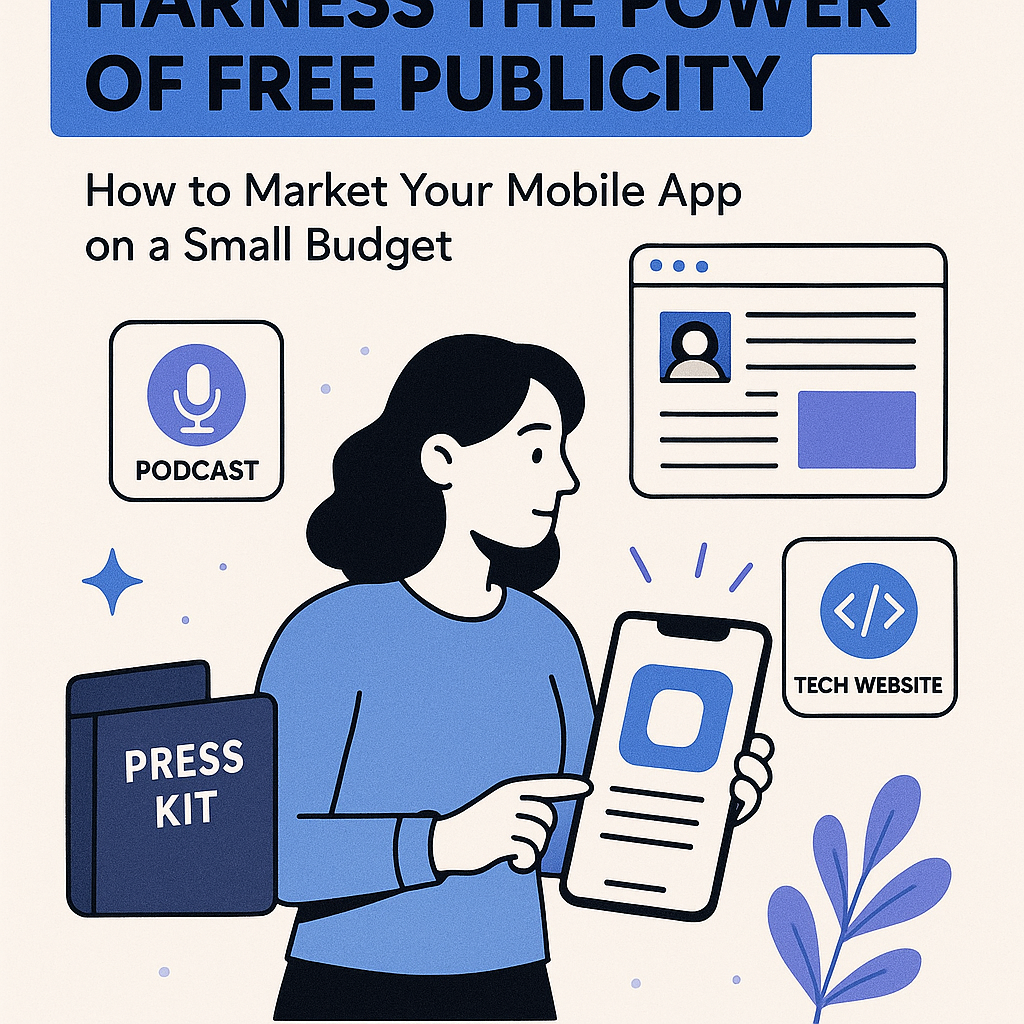
Getting your app featured in blogs, podcasts, and tech websites can drive significant traffic. Reach out to journalists and bloggers with a compelling story about your app. Consider these steps:
- Press Kit: Prepare a professional press kit with app details, visuals, and key features.
- Personalized Pitches: Craft personalized pitches that highlight why your app is newsworthy.
- Follow-Ups: Politely follow up on your pitches to increase the chances of coverage.
Conclusion: Actionable Next Steps
With these strategies, you can effectively market your mobile app on a small budget. Start by understanding your audience, optimizing your app store presence, and leveraging cost-effective channels like social media and email marketing. Remember, consistency and creativity are key to standing out in a crowded market. Now, take these insights and start implementing them today to see tangible results.
For more resources on building and marketing apps, visit ArcanoLabs Blogs for in-depth guides and tutorials.
Maximize User Feedback and Iterative Improvements
One of the most effective yet often overlooked strategies for marketing your mobile app on a tight budget is leveraging user feedback to drive iterative improvements. This approach not only enhances your app’s quality but also fosters user loyalty and generates positive word-of-mouth.
Gathering User Feedback
- In-App Surveys: Use tools like Qualtrics to integrate simple surveys within your app. Ask users about their experience and any features they’d like to see.
- User Interviews: Conduct one-on-one interviews with a small group of users to gain deeper insights into their needs and expectations.
- App Store Reviews: Regularly monitor reviews on app stores to identify common complaints or suggestions.
Implementing Feedback
- Prioritize Changes: Focus on implementing changes that will have the greatest impact on user satisfaction and retention.
- Communicate Updates: Keep your users informed about new features or bug fixes based on their feedback through in-app notifications or newsletters.
- Beta Testing: Before rolling out major updates, conduct beta tests with a select group of users to gather final input and ensure quality.
Collaborate with Other App Developers
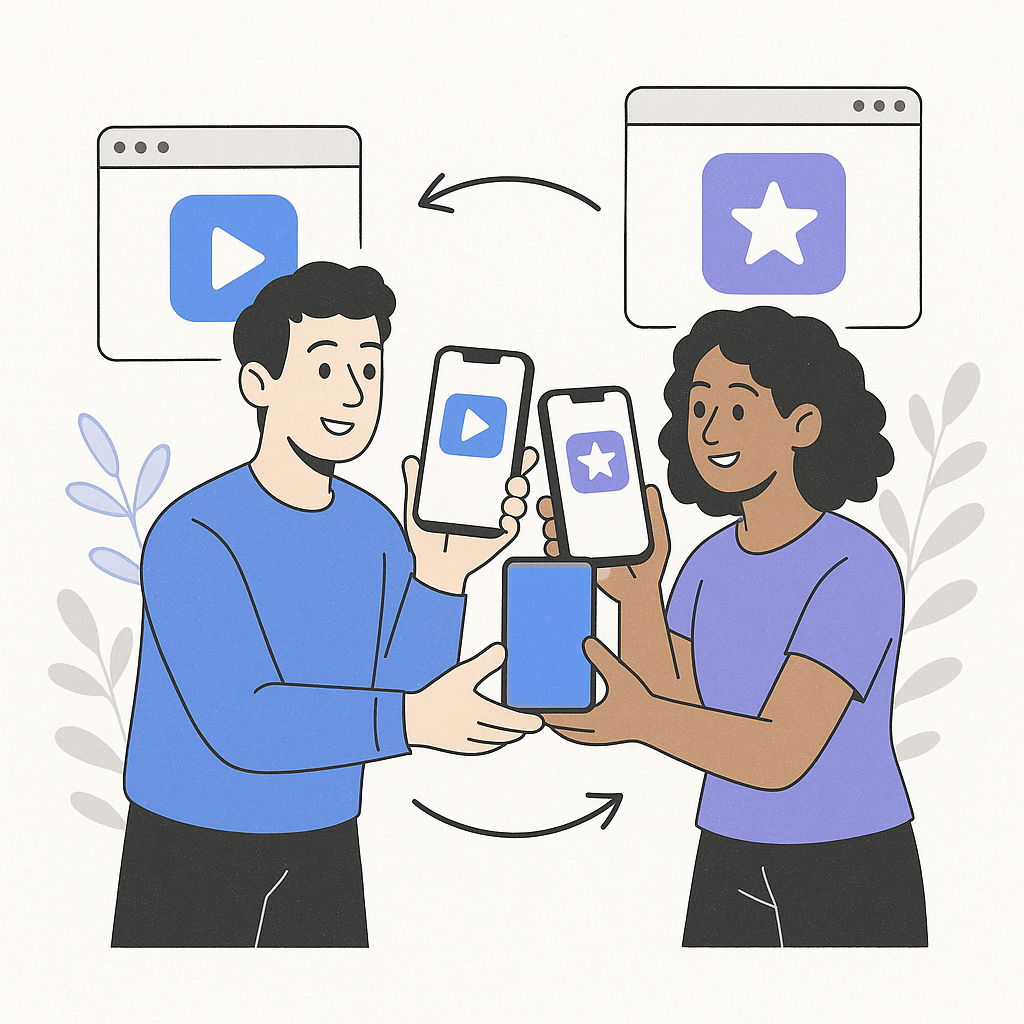
Building relationships with other app developers can open doors to innovative marketing opportunities. Collaboration can take various forms and often leads to mutually beneficial outcomes.
Joint Promotions
- Cross-Promotion: Partner with apps that have a complementary user base. Exchange promotional banners or links within each other’s apps to expand reach.
- Co-Hosted Events: Organize webinars or online events with fellow developers to showcase your apps and discuss industry trends.
- Resource Sharing: Share resources such as design tools or marketing platforms to reduce costs and enhance efficiency.
Developer Community Engagement
- Local Meetups: Attend local developer meetups to network and discuss potential collaboration opportunities.
- Online Forums: Engage with developer communities on platforms like Reddit or Stack Exchange to share knowledge and foster partnerships.
- Open Source Projects: Contribute to or start open-source projects to gain visibility and attract users interested in your expertise.
Track and Analyze Key Performance Indicators (KPIs)
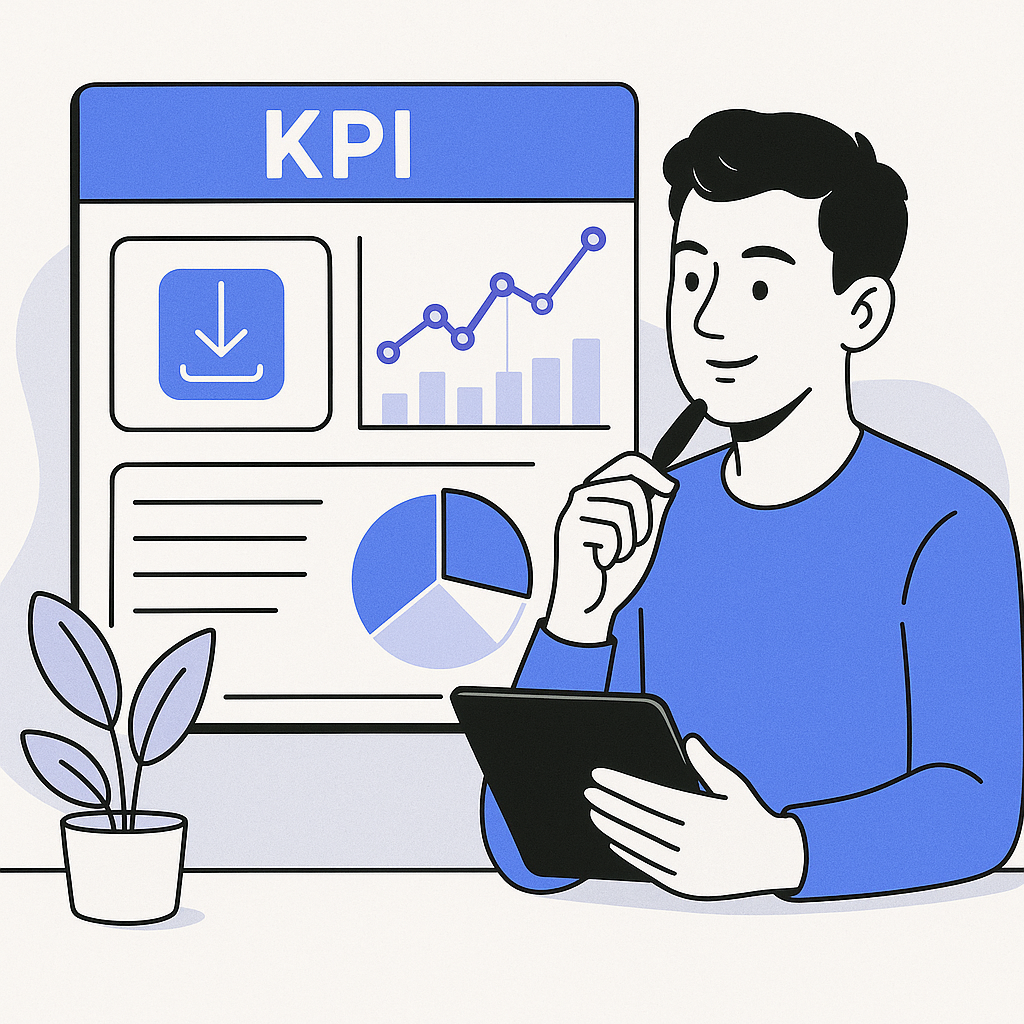
Measuring the success of your marketing efforts is crucial to making informed decisions and optimizing your strategies. Here are essential KPIs to monitor:
- App Downloads: Track the number of downloads to assess the effectiveness of your promotional activities.
- User Retention Rate: Measure how well your app retains users over time. High retention indicates satisfied users.
- Active Users: Monitor daily and monthly active users to understand engagement levels.
- Conversion Rate: Analyze the percentage of users who complete desired actions, such as making in-app purchases or signing up for newsletters.
Tools for Tracking KPIs
- Google Analytics: Use Google Analytics for Firebase to track user behavior and app performance metrics.
- Mixpanel: Employ Mixpanel to gain insights into user interactions and conversion funnels.
- App Annie: Leverage App Annie for comprehensive app market data and competitive analysis.
Case Study: Success Story of a Budget App Marketing Campaign

Consider the case of a small indie game developer who successfully marketed their app on a shoestring budget. By focusing on community engagement and user feedback, they achieved impressive results.
Strategy and Execution
- Community Building: The developer actively engaged with gaming forums and social media groups, sharing development stories and seeking feedback.
- User-Centric Approach: They prioritized user feedback, quickly implementing popular suggestions and communicating updates through social channels.
- Creative Content: The developer created engaging content, such as behind-the-scenes videos and interactive polls, to maintain high user interest.
Results
- Increased Downloads: The app saw a 150% increase in downloads within three months of launching their community-focused campaign.
- High Retention Rate: By fostering a strong community and responding to feedback, they achieved a user retention rate of over 40%.
- Positive Reviews: The app received numerous positive reviews, boosting its visibility and credibility in app stores.
This case study illustrates how a strategic focus on community engagement and iterative improvement can drive significant growth without substantial financial investment.

Leave a Reply