


Setting Up AI Automation for Content Syndication
A solo blogger. No team, no ad budget, no face on camera. She automated her content distribution across five platforms and watched her monthly visitors climb to 300,000 — all owned traffic pulling back to her site while she slept. That’s not a fluke. That’s a system. Here’s how the mechanics work, and how you can build one yourself.

Why AI Content Syndication Matters

Most creators publish once and wait. AI content syndication flips that. You publish once, and the system pushes your content to multiple platforms at the same time — each one sending traffic back to your primary site. That’s owned traffic. Not rented attention from a single algorithm you don’t control.
The receipts back this up. Creators who automate their syndication have reported up to a 30% increase in site visits without producing more content. The reach compounds. The effort doesn’t.
Tools to Get You Started

Three tools do most of the heavy lifting for a syndication system:
- Zapier: Connects your apps and automates the handoff between them. Publish a post, and Zapier distributes it across your chosen platforms without you touching a thing.
- Buffer: Handles scheduling and uses AI to find the best posting windows across your social channels.
- IFTTT: A lighter-weight option built around simple user-created applets. Good for straightforward workflows.
Basic plans on all three start free. Paid tiers scale as your system grows. Start lean, add features once you see what the numbers actually need.
Step-by-Step Implementation

Here’s how to wire this up using Zapier:
- Choose Your Platforms: Pick where you want your content to land. LinkedIn, Medium, and Pinterest are solid starting points with real referral traffic.
- Create a Zap: Build an automation in Zapier — something like “When I publish a new blog post, share it on LinkedIn.” Straightforward.
- Configure Triggers and Actions: Set the trigger (new blog post goes live) and the action (post gets shared). One trigger can fire multiple actions.
- Test Your Zap: Run it once before you rely on it. Catch any gaps before they cost you a publish.
- Monitor and Adjust: Check your analytics weekly. The numbers will tell you which platforms are pulling weight and which ones aren’t worth the slot.
Each step tightens the system. Over time, that system compounds — more platforms, more touchpoints, more owned traffic flowing back to your site while you sleep.
Case Study: Success in Action

One creator — no team, no paid ads — built a steady passive income by running a syndication system across five platforms. The result: 300,000 monthly visitors. The real answer wasn’t more content or more hours. It was a system that kept distributing while they slept. The receipts are there. The method is repeatable.
Next Steps: Building Your System

Start by locking in your domain with Namecheap. Owning your home base is the first move in building owned traffic that no platform can take from you.
From there, set up your workspace. A tool like the Logitech MX Master 3S keeps the day-to-day friction low when you’re managing multiple workflows. Small things compound too.
For deeper walkthroughs, head to The Silent Webmaster tutorials and start building the system piece by piece.
Conclusion
The receipts on AI content syndication are clear. One piece of content, distributed automatically across multiple platforms, pulling owned traffic back to your site around the clock. That’s the system. No hype required — just the right tools, the right triggers, and a willingness to let it run while you sleep.
For more on how to build this out, visit The Silent Webmaster blog.
Advanced Techniques for Optimizing AI Content Syndication

Once the basics are running, you can tighten the system further. These techniques cut costs, reduce wasted distribution, and push your content’s reach higher without adding manual work.
Utilizing Machine Learning for Content Personalization
Machine learning reads your audience’s behavior and adjusts what gets sent where. Instead of blasting the same format to every platform, the system learns what each segment actually responds to and routes content accordingly.
- Dynamic Content Adjustment: If a segment of your audience engages more with video, the system prioritizes video syndication for them automatically. No manual sorting.
- Predictive Analysis: Algorithms can spot trending topics in your niche before they peak. That means your content is ready when the traffic arrives, not after.
Data-Driven Decision Making
Your analytics are receipts. Google Analytics and platform-level insights tell you exactly which channels are earning their place in your system and which ones are dead weight.
- Audience Segmentation: Break your audience into groups by behavior, demographics, and interests. Tailor your syndication to each group and watch engagement rates climb.
- Performance Metrics: Track click-through rates, time on page, and conversion rates consistently. Let those numbers drive your next adjustment, not gut feeling.
Integrating AI with CRM Systems
Connecting AI to your CRM closes the loop between content distribution and customer behavior. You see not just who clicked, but what they did next.
- Automated Customer Journeys: Set up workflows that move a reader from first contact through to conversion without manual follow-up at each stage.
- Feedback Loops: AI-driven feedback collection feeds back into your content strategy. The system gets sharper the longer it runs.
Common Challenges and How to Overcome Them

Automation handles volume well. It doesn’t automatically handle quality. Know where the friction points are before they slow you down.
Challenge: Content Quality vs. Quantity
AI can distribute a lot of content fast. If the quality slips, your brand takes the hit — and traffic numbers don’t lie about that for long.
- Solution: Run AI-driven content analysis tools as a quality gate before anything gets syndicated. Set a standard and enforce it in the system, not after the fact.
- Regular Audits: Schedule periodic reviews of your syndicated content. Check for accuracy, relevance, and consistency with your voice. The system runs the distribution — you keep the standards.
Challenge: Platform Limitations
LinkedIn wants something different from Pinterest. Medium has different formatting rules than a newsletter. One-size-fits-all syndication leaves performance on the table.
- Solution: Use AI tools that reformat content automatically to meet each platform’s requirements. Build that step into the workflow from the start.
- Cross-Platform Analytics: Track performance across all platforms from a single dashboard. That’s where you’ll see which channels are pulling traffic and which need a format adjustment.
Checklist for Successful AI Content Syndication

Before you flip the switch, run through this list:
- Define Clear Objectives: Know what you’re measuring — traffic, engagement, conversions, or brand reach. Pick the number that matters most to your situation.
- Select the Right Tools: Match tools to your objectives and your budget. Prioritize ease of integration and room to scale.
- Understand Your Audience: Do the research before you automate. Know what your audience reads, watches, and shares.
- Establish KPIs: Set the specific numbers you’ll use to judge whether the system is working. Vague goals produce vague results.
- Regularly Review and Adjust: Block time each month to look at the data and make one or two targeted changes. The system compounds when you keep tuning it.
Key Performance Indicators (KPIs) to Track
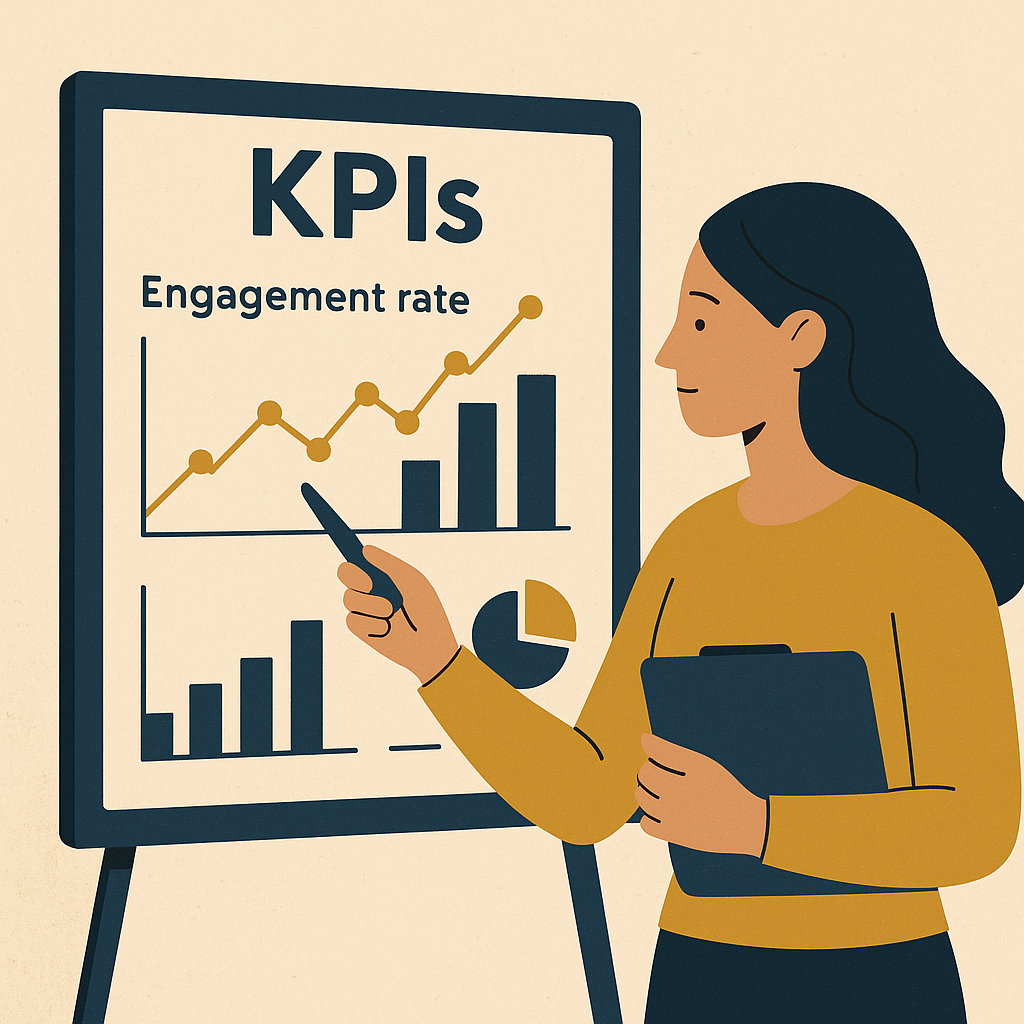
These are the numbers that tell you whether your syndication system is actually working:
- Engagement Rate: How actively are readers interacting with your content across platforms? Low engagement means the content or the platform fit is off.
- Traffic Sources: Which platforms are sending the most visitors back to your site? Double down on what’s working.
- Conversion Rate: What percentage of syndicated traffic takes a desired action? That’s where the receipts get real.
- Content Reach: How far is each piece spreading across channels? Reach tells you whether the distribution is actually firing.
- Cost Per Acquisition (CPA): What does it cost to bring in each new subscriber or customer through syndication? Keep this number honest and watch it drop as the system matures.
Watch these numbers month over month. That’s how you know the system is compounding — and that’s the real answer to whether any of this is worth your time.
Disclosure: this article may contain affiliate links. If you buy through them, we may earn a small commission at no extra cost to you.


Leave a Reply