


2026 Predictions: The Evolving Landscape of Niche Sites
A gardening blogger pulled in 620,000 visitors last month. No team. No ads. No face on camera. Her site just sat there and did the work while she slept. That’s not an accident — that’s a system built on owned traffic that compounds over time. Here’s what the receipts say is coming in 2026, and how you can position yourself to build the same thing.

The Rise of AI-Driven Content

AI is already inside the workflow of the fastest-growing niche sites. By 2026, that gap widens. The operators using these tools aren’t replacing their judgment — they’re multiplying their output. Tools like Namecheap help you lock down the right domain while AI writing tools help you fill that domain with content that actually answers real questions.
- AI Writing Assistants: These tools have moved well past grammar checks. They help you map out topics, build article outlines, and produce solid first drafts you can shape into something authoritative.
- Content Personalization: AI lets your site serve different content to different readers based on what they’ve already read — keeping them on the page longer and coming back more often.
Owning Traffic with SEO and Content Strategy

Owned traffic is the real answer to building something durable. Rented attention — paid ads, social platforms, someone else’s algorithm — disappears the moment you stop paying or the rules change. Organic search traffic compounds. Sites that answer specific questions with real authority are the ones that keep growing while you sleep, and by 2026 that dynamic only gets stronger.
- Long-Tail Keywords: These are where the serious traffic lives. Lower competition, higher intent, and they stack up fast when you build content consistently around them.
- Content Clusters: Group your articles around core topics. It signals depth to search engines and makes your site easier for readers to navigate.
For a closer look at the SEO mechanics behind this, the blog breaks it down step by step.
Monetization Strategies: Beyond Ads

Display ads alone won’t build a resilient income. By 2026, the niche sites with the strongest numbers will have three or four revenue streams running in parallel. Here’s what that looks like in practice:
- Affiliate Marketing: Match your recommendations to what your audience already needs. Linking to something like the Logitech MX Master 3S inside a relevant article earns a commission on every sale without any extra effort on your part.
- Digital Products: eBooks, courses, and downloadable guides are one-time builds that sell while you sleep.
- Membership Sites: A subscription tier for premium content turns your most engaged readers into a predictable monthly income line.
Stack these together and you own your revenue. That’s the system.
Technical Advances: Speed and Security

In 2026, a slow or insecure site is a leaky bucket. You can drive all the traffic you want, but if the page takes four seconds to load, a big chunk of those visitors are already gone. Speed and security aren’t optional features — they’re table stakes.
- CDN Utilization: A Content Delivery Network cuts load times by serving your pages from servers closer to each visitor. That’s a direct ranking signal and a direct user experience improvement.
- SSL Certificates: HTTPS isn’t just about protecting data. Browsers flag unencrypted sites, and visitors notice. It’s a trust signal your site needs to have.
Hosting solutions with integrated security built in — like those available through Namecheap — handle a lot of this without requiring you to manage it manually.
Building a System: Step-by-Step
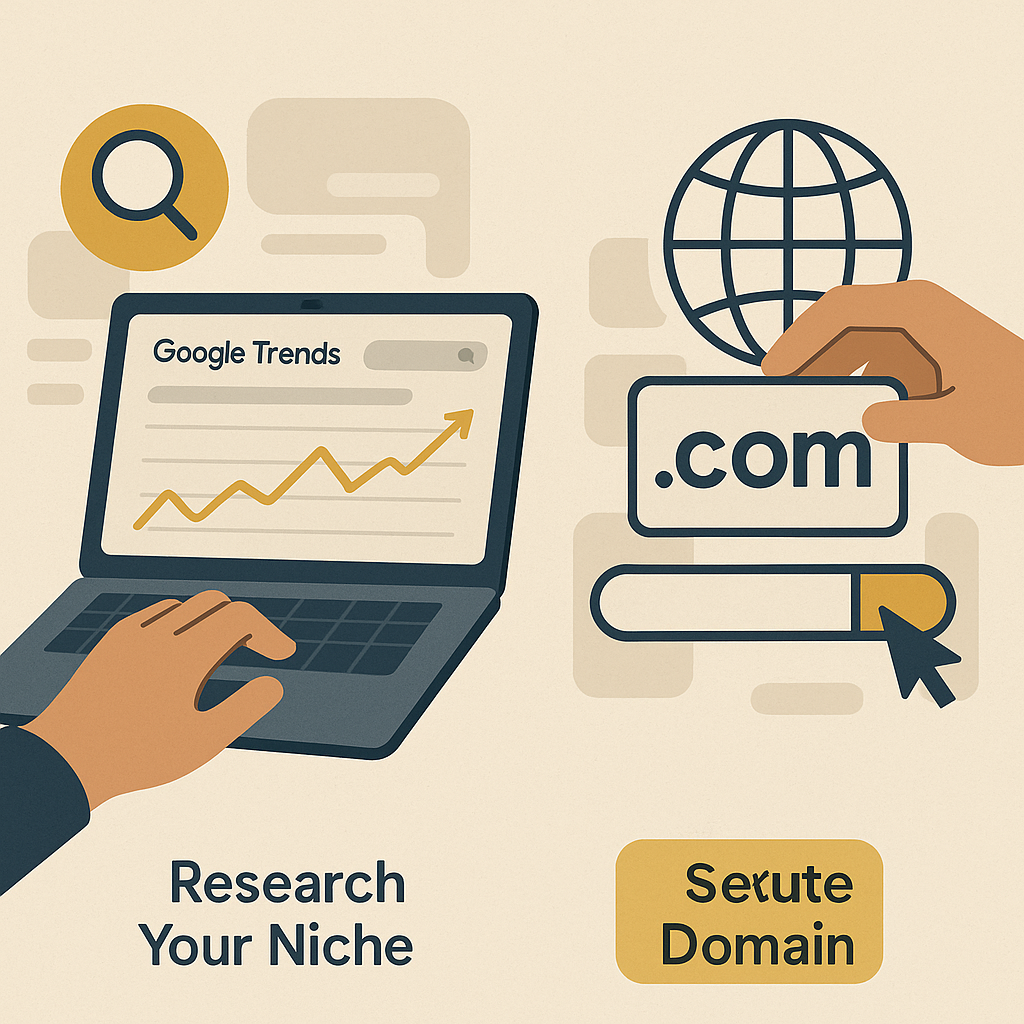
Here’s the actual sequence. Nothing here is theory — this is the foundation every successful niche site is built on:
- Research Your Niche: Use Google Trends to find topics with growing search demand and manageable competition.
- Secure Your Domain: Pick something memorable and relevant. Namecheap is a straightforward place to register it.
- Create Quality Content: Long-form articles that genuinely answer a question outperform thin content every time. That’s what the receipts show.
- Optimize for SEO: Use keyword research tools to make sure each piece of content is targeting something people are actually searching for.
- Monetize Strategically: Layer in the income streams covered above. Don’t wait until the traffic is “big enough” — build the structure early.
Follow that sequence and you’re not just publishing articles. You’re building a system that compounds.
Conclusion: Your Next Step
The fundamentals don’t change by 2026 — own your traffic, diversify your income, and use the available tools to work smarter. The sites that will be pulling serious numbers two years from now are being built today. Start by picking your niche and locking down your domain. Then head to the resources page for the tools and next steps to get the system running.
Leveraging Community Engagement for Growth

Owned traffic doesn’t just come from search engines. By 2026, the niche sites with the stickiest audiences will have built something around their content — a place where readers talk to each other, share what works, and keep coming back without needing to be pushed. That kind of engagement compounds the same way good SEO does.
Why Community Matters
A real community does something ads can’t buy: it generates word-of-mouth at zero marginal cost. When readers share your content because they’re invested in the topic, that’s owned traffic growing itself.
- Increased Engagement: Forums, comment sections, and live Q&A sessions give readers a reason to stay longer and return more often — both of which are signals search engines reward.
- User-Generated Content: Guest posts and reader reviews add fresh content to your site without adding to your workload. That’s the system working for you.
Building an Online Community
Here’s how to build one that actually holds together:
- Identify Your Audience: Know who you’re talking to — their interests, their questions, their experience level — before you try to build anything around them.
- Create a Dedicated Space: Discord, Facebook Groups, or a forum built directly into your site all work. Pick the one your audience already uses.
- Foster Interaction: Polls, challenges, and themed content days give people something to respond to. Show up in the conversation yourself — it sets the tone.
- Recognize and Reward: Acknowledge your most active members with shout-outs, badges, or access to exclusive content. People stay where they feel seen.
Utilizing Data Analytics for Strategic Decisions

By 2026, the operators running the most efficient niche sites won’t be guessing. They’ll be reading their numbers and making decisions based on what the data actually says. Analytics tell you where your traffic is coming from, which content is earning its keep, and where money is being left on the table.
Key Metrics to Monitor
Not every number matters equally. Focus on the ones that tell you something actionable:
- Traffic Sources: Know exactly where your visitors are coming from. If 80% of your traffic is organic search, that’s owned traffic doing its job. If it’s mostly social, you’re renting attention.
- Bounce Rate: A high bounce rate is the data telling you something isn’t matching what the visitor expected. That’s worth investigating before you publish more content.
- Conversion Rates: Track how many visitors are taking the action you want — signing up, clicking an affiliate link, buying a product. Then test your way to a better number.
Tools for Effective Data Analysis
These three tools cover most of what you need:
- Google Analytics: The baseline. Traffic volume, user behavior, conversion tracking — it’s all here and it’s free.
- Hotjar: Heatmaps and session recordings show you exactly where people click, scroll, and drop off. The receipts are visual.
- Ahrefs: For SEO performance and keyword rankings, this is the tool that shows you where your content stands and where the gaps are.
Case Study: Transforming a Hobby Blog into a Thriving Niche Site
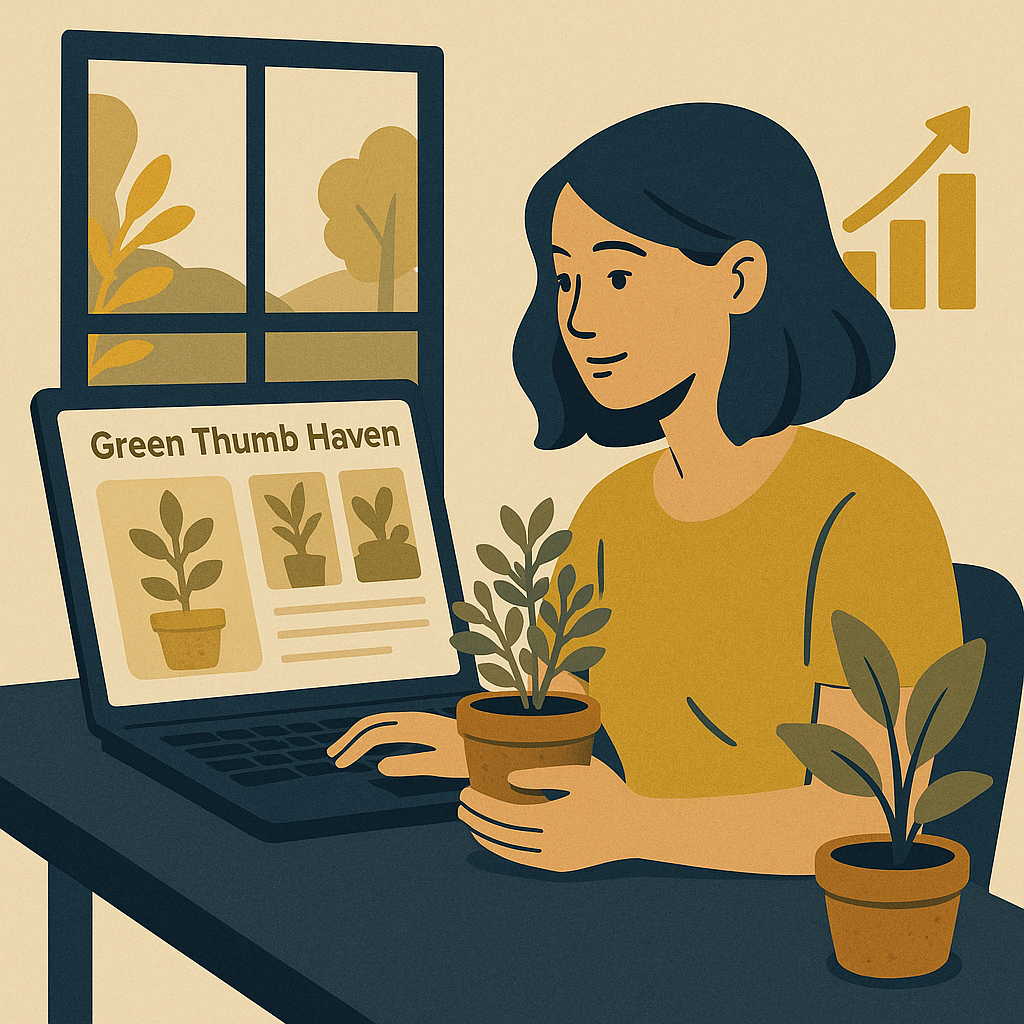
Here’s what the system looks like when someone actually runs it. One site, one operator, a clear sequence of decisions — and the receipts to show what happened.
The Journey of “Green Thumb Haven”
“Green Thumb Haven” started as a personal gardening blog. By 2026 it had become a full resource for plant enthusiasts. The transformation didn’t happen by accident:
- Identifying a Gap: The founder saw that detailed guides for urban gardening were thin on the ground. Targeting that specific niche pulled in a dedicated audience that wasn’t being served anywhere else.
- Content Expansion: The site grew from blog posts into video tutorials, podcasts, and an interactive plant care community — multiple formats, one owned audience.
- Monetization Strategy: Beyond ad revenue, the site added a subscription tier with exclusive content and product discounts. That’s a second income stream running while you sleep.
- Community Building: Monthly webinars and Q&A sessions turned readers into regulars and regulars into advocates. Word-of-mouth became a traffic source on its own.
The result: a 300% increase in monthly visitors and a meaningful jump in revenue. That’s what executing the system looks like on paper.
Content Personalization for Enhanced User Experience

By 2026, showing every visitor the same content regardless of what they’ve already read is leaving engagement on the table. The sites that retain readers longest will be the ones that serve content matched to what each visitor actually cares about. That’s not a small edge — it compounds directly into higher conversion rates and stronger return traffic.
Strategies for Content Personalization
- User Segmentation: Split your audience into groups based on behavior, interests, or where they are in the buying process. Then write for each group specifically rather than trying to speak to everyone at once.
- Dynamic Content Display: Use algorithms to surface articles and recommendations based on what a visitor has already clicked on. The more relevant the next piece of content, the longer they stay.
- Email Personalization: Tailor your newsletters to what each subscriber has engaged with. Personalized emails consistently outperform generic blasts on open rates and click-throughs — the receipts on this are clear.
Put these pieces together and you have a site that gets more valuable to each visitor over time. That’s the real answer to building an audience that sticks.
Disclosure: this article may contain affiliate links. If you buy through them, we may earn a small commission at no extra cost to you.



Leave a Reply