

A Comprehensive Guide to Social Media Trends for 2026
You wake up and check your phone. Not to scroll — to read the overnight receipts. Sales came in while you slept. Leads filled your inbox. That’s what owned traffic looks like when the system is running. Social media in 2026 is shifting fast, and the operators who understand where the real opportunities sit will pull ahead quietly. Here’s the breakdown, trend by trend, with a clear next step attached to each one.

The Rise of Owned Traffic: Why It Matters

Most businesses are renting their audience. They pay for ads or influencer placements, and the moment the algorithm shifts or ad costs climb, the traffic dries up. That’s not a system — that’s a lease you don’t control.
Owned traffic is different. An email list, a Discord community, a site with compounding search traffic — these are assets you hold. They keep working while you sleep, and no platform update can take them from you. That’s the foundation this whole guide builds on.
Trend #1: The Dominance of Short-Form Video
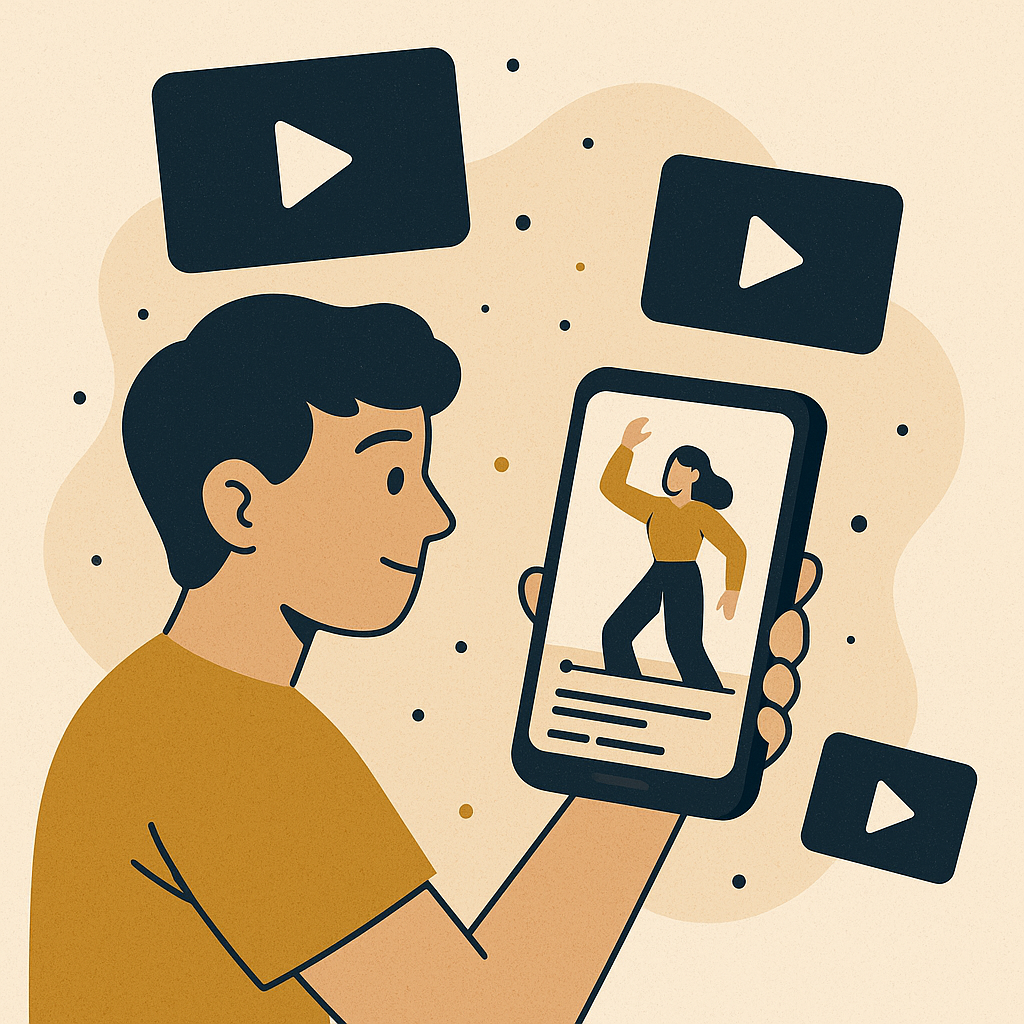
TikTok proved the format works, and by 2026 every major platform has followed. Short-form video is now the default content type for most feeds. It’s fast to consume, easy to share, and the platforms actively push it to new audiences — which means organic reach is still alive here when it’s fading elsewhere. A tool like the Logitech MX Master 3S can make the editing workflow noticeably smoother.
- Next Step: Pick one topic your audience cares about and record three short videos this week. Use InVideo or Canva to keep production simple. Consistency compounds — ten videos will teach you more than any course.
Trend #2: Social Commerce Expansion

The checkout button is moving closer to the content. Platforms are building native shopping directly into feeds, so a buyer can go from discovery to purchase without ever leaving the app. That’s fewer steps between attention and revenue — and fewer steps means higher conversion rates for sellers who are set up correctly.
- Next Step: If you sell products, connect your store to your social profiles today. Shopify’s social integrations handle most of the technical work. Get the product catalog live, then let the system pull in orders while you sleep.
Trend #3: The Rise of AR and VR Experiences

AR and VR are no longer niche. By 2026, augmented reality filters and immersive product demos are standard marketing tools, not experiments. Brands using them are seeing longer session times and stronger purchase intent — the numbers back it up.
- Next Step: Start with AR filters on Spark AR. Build one that lets someone visualize your product in their space or try on a branded experience. It’s a low-cost entry point into a format that compounds in shareability.
Trend #4: Community-Driven Content
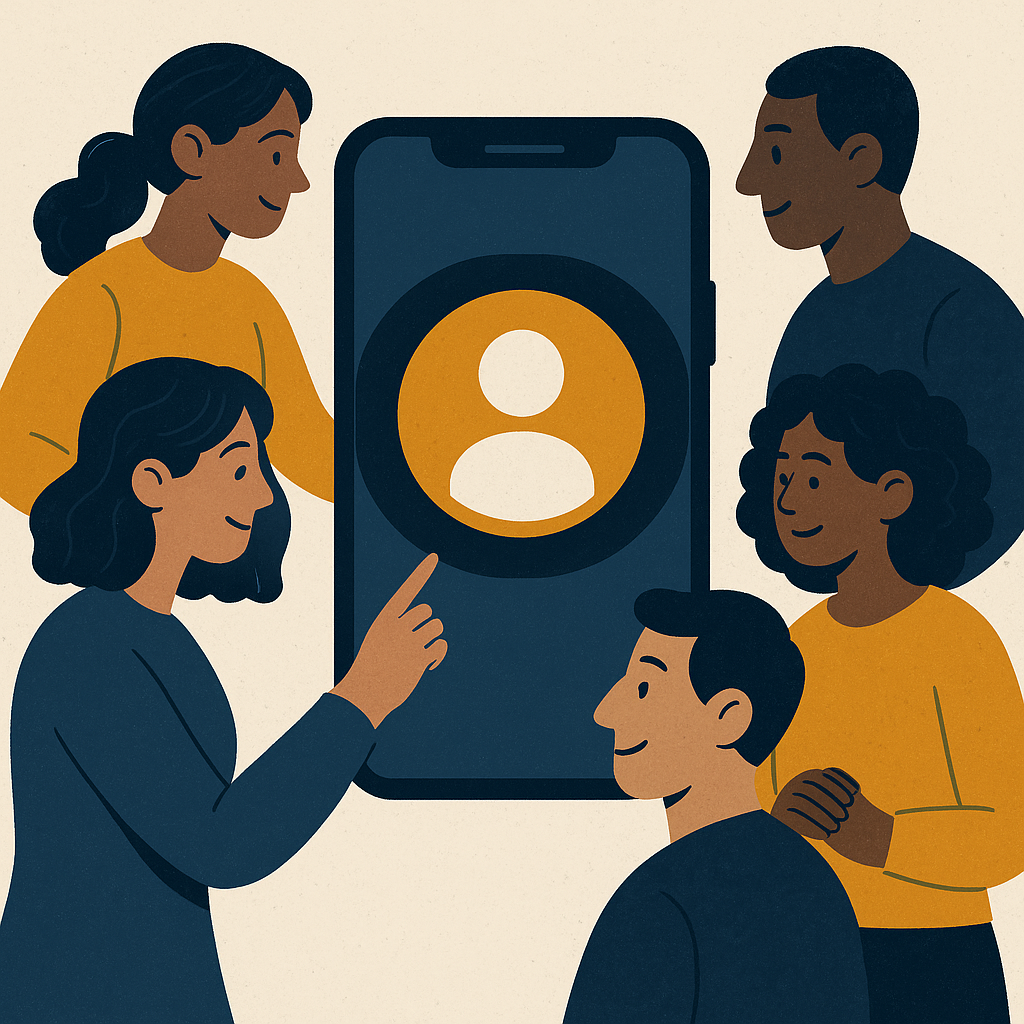
Follower count is a vanity metric. What actually moves revenue is a smaller group of people who are genuinely invested in what you’re building. Brands with tight communities are seeing engagement rates that dwarf accounts ten times their size. The real answer isn’t more reach — it’s deeper connection with the right people.
- Next Step: Open a Discord server or a Facebook Group around a specific topic your audience cares about. Give them a reason to talk to each other, not just to you. That’s owned traffic that compounds on its own.
Trend #5: Ethical and Transparent Marketing

Buyers in 2026 are paying attention to how brands operate, not just what they sell. Transparency isn’t a nice-to-have — it’s a trust signal that directly affects whether someone buys from you or your competitor. Brands that show their work build audiences that stick around.
- Next Step: Share one piece of behind-the-scenes content this week. Show how a product is made, how a decision gets made, or what your actual process looks like. Honesty is a durable competitive advantage.
Tools and Resources for 2026
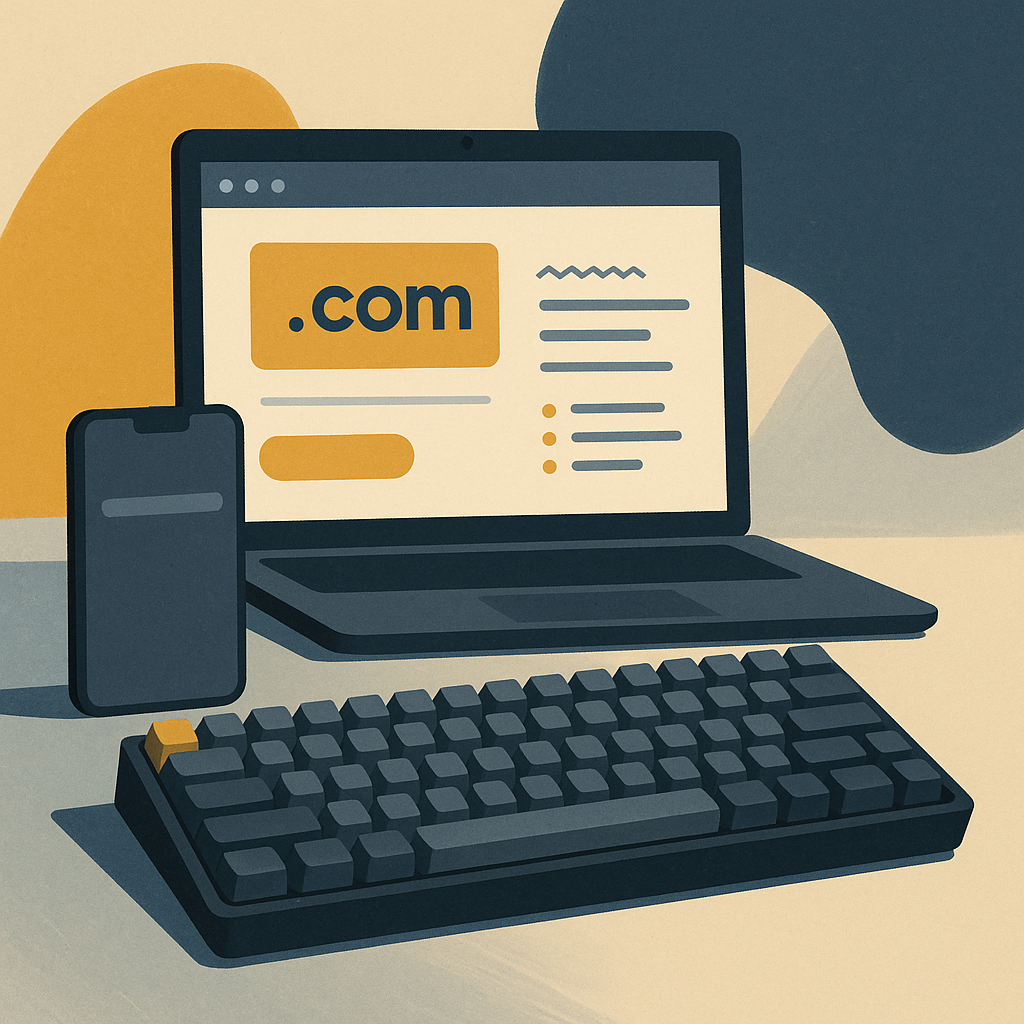
The right tools keep your overhead low and your output consistent. Here’s what’s worth having in your stack:
- Namecheap — affordable domain registration and hosting to anchor your owned traffic.
- Keychron K2 — a reliable keyboard for operators who write a lot.
- Blue Yeti Microphone — clean audio for podcasts, video, and live sessions.
Conclusion: Pick One and Start the Clock
Social media in 2026 rewards operators who build systems, not people who chase every new format. The trends above are real, and the receipts are already showing up for brands that moved early. Start by picking one trend from this guide and putting it into motion within the next 30 days. Track the numbers, adjust what isn’t working, and let the system compound from there. Visit The Silent Webmaster Blog for more breakdowns with real figures attached.
Leveraging AI for Personalized Customer Experience

AI is changing how businesses talk to customers on social media. By 2026, personalized experiences are the baseline expectation — not the premium tier. AI-driven analytics can tell you what a specific segment of your audience wants before they ask for it, and automated tools can respond at scale without adding headcount.
- Next Step: Add a chatbot or recommendation engine to your customer touchpoints. Platforms like Drift or Intercom have AI tools that handle common interactions and surface relevant content automatically. Set it up once and let it run.
Integrating Social Media with IoT Devices

IoT devices are multiplying, and by 2026 they’re feeding data directly into marketing systems. A connected product can trigger a social touchpoint at exactly the right moment — when a customer is already engaged with what you sell. That’s a more precise signal than most ad platforms can offer.
- Next Step: Map out where your product or service touches a customer’s daily routine. Then use a platform like IFTTT to connect that moment to a social media action — a check-in, a prompt, a real-time update. Start simple and build from there.
Data Privacy and Security: A Growing Concern

Regulations are tightening and audiences are paying closer attention to how their data gets used. A privacy misstep in 2026 doesn’t just cost you a fine — it costs you the trust you’ve spent years building. Protecting customer data is part of running a clean operation.
- Next Step: Pull up your current privacy policy and check it against GDPR and CCPA requirements. A tool like OneTrust can manage consent collection and data protection in one place. Get compliant now, before it becomes a problem.
Case Study: Successful Brand Community Building

Here’s a concrete example. A fitness brand leaned into user-generated content and interactive challenges instead of paid placements. The receipts: engagement up 300% in twelve months. No ad spend increase. Just a tighter system built around community participation.
- Key Takeaway: Host virtual events and challenges that give your audience a reason to show up and create. The content they generate becomes marketing material you didn’t have to produce yourself — and it carries more credibility than anything you write about your own brand.
Checklist: Preparing Your Brand for 2026

Run through this before the year gets away from you:
- Audit your current social media strategy and find the gaps where owned traffic should be.
- Research AI and AR tools that fit your budget and test one before committing to a full rollout.
- Build a data privacy plan that covers GDPR and CCPA and document it properly.
- Set up a community space and show up in it consistently — engagement compounds when you do.
- Track what’s working with real numbers, not impressions, and adjust the system quarterly.
FAQs: Navigating Social Media Trends in 2026
A few questions that come up consistently:
- How does AI improve a social media strategy? It reads consumer behavior at a scale you can’t match manually, automates routine interactions, and delivers personalized content to the right person at the right time — all while you’re doing something else.
- What’s the real benefit of connecting IoT with social media? You get real-time engagement signals tied to actual product use, which means your marketing hits at a moment when the customer is already paying attention.
- Why does data privacy matter for social media marketing? Because trust is the asset. Lose it through a data breach or a compliance failure and you’re rebuilding from zero. Protect it and it compounds alongside everything else.
Trend #6: The Growth of Audio-Only Content
Podcasts and live audio sessions are pulling consistent audiences because they fit into parts of the day that video can’t — commutes, workouts, household tasks. By 2026, audio is a serious distribution channel, not a side project. The barrier to entry is low and the format builds a closer relationship with listeners than almost anything else.
- Next Step: Launch a branded podcast or schedule a weekly live audio session on Clubhouse or Twitter Spaces. Keep it focused on one topic your audience already cares about. Show up consistently and the audience compounds over time.
Maximizing User-Generated Content (UGC) Strategies

By 2026, user-generated content is one of the most cost-effective assets in a social media system. When your audience creates content about your brand, it extends your reach without extending your budget — and it carries the kind of social proof that paid creative can’t replicate.
- Next Step: Run a hashtag campaign that gives your audience a clear, simple prompt to respond to. Instagram and TikTok both amplify this format well. The content your community creates becomes owned traffic that keeps working after the campaign ends.
Disclosure: this article may contain affiliate links. If you buy through them, we may earn a small commission at no extra cost to you.



Leave a Reply