


Effective Business Strategies for Navigating Economic Uncertainty
A small business owner checks the news over morning coffee. Another headline about economic slowdown. The anxiety is real — but so is this: businesses that go into a downturn with the right system already running tend to come out the other side with more market share than they started with. Here’s how the receipts back that up, and exactly what you can do about it.

The Receipts: Real Numbers, Real Strategies

One small e-commerce business grew revenue by 35% during a recession. Not by spending more — by running a tighter system. Here’s how you can do the same thing.
1. Diversify Your Income Streams
When one income source dries up, you need others already running. That’s not a theory — it’s how businesses stay solvent when conditions shift. Here’s where to start:
- Affiliate Marketing: Partner with brands that fit your business. Platforms like Namecheap can help you find domains that strengthen your online presence.
- Digital Products: Build e-books, courses, or templates once. They generate income while you sleep without adding to your workload.
- Subscription Services: Offer premium content or services on a monthly basis. Predictable revenue is the foundation of a stable system.
2. Optimize Your Marketing Strategy
Spending more on marketing during a downturn is rarely the answer. Spending smarter is. Here’s what that looks like in practice:
- Owned Traffic: Build your email list and protect it. That’s traffic you own outright — not rented from a platform that can change its algorithm tomorrow. A consistent newsletter compounds over time.
- Content Marketing: Publish content that directly addresses what your audience is struggling with. It builds trust and positions you as the reliable source in your space.
- Leverage Social Media: Use Instagram and LinkedIn for organic reach. Share real insights and behind-the-scenes content — the kind that compounds into authority.
3. Embrace Automation
Automation isn’t reserved for large operations. When you automate the repetitive work, you free up time for the decisions that actually move the needle. A few tools worth knowing:
- Email Marketing Automation: Platforms like Mailchimp and ConvertKit handle your email sequences automatically, keeping your audience engaged without manual effort.
- Social Media Scheduling: Hootsuite and Buffer let you plan posts in advance so your presence stays consistent while you focus elsewhere.
- Customer Relationship Management (CRM): A good CRM tracks every customer interaction in one place, which makes retention a system rather than a guessing game.
Building Resilience: A Step-by-Step Guide

You have the strategies. Now let’s walk through how to put them to work, one step at a time.
Step 1: Assess Your Current Situation
Pull up your financials and look at them honestly. Where is your revenue actually coming from? Where is it going? That picture tells you exactly where to cut costs and where to push harder.
Step 2: Set Clear Goals
Decide what success looks like for your business right now. Holding revenue steady is a legitimate goal. So is 10% growth. Either way, a clear target shapes every decision that follows.
Step 3: Implement Diversification Tactics
Pick one or two new income streams and start there. If affiliate marketing is new to you, spend a week researching potential partners before you commit to anything. Start narrow, then expand.
Step 4: Revamp Your Marketing Strategy
Look at what you’re currently spending on marketing and what it’s returning. Shift toward content that speaks directly to what your audience needs right now. That’s where owned traffic compounds fastest.
Step 5: Automate Where Possible
List every task you do on repeat — email follow-ups, social posts, reporting. Then find the tool that handles it. Set it up once, monitor it monthly, and redirect that time toward growth.
Conclusion: Take the First Step Today
Economic uncertainty doesn’t have to mean contraction. The real answer is a system that keeps working while you sleep — one built on owned traffic, diversified income, and automated operations. Start with one strategy from this list. That’s the first step. The rest compounds from there.
For more on building systems that run quietly and reliably, visit The Silent Webmaster Blog and check out our tutorials for step-by-step guidance.
Leveraging Financial Strategies for Stability

The businesses that survive downturns aren’t always the biggest — they’re the ones with clean financials and a system for managing cash. Here are the tactics that hold up when conditions get tight.
Maintain a Healthy Cash Flow
Cash flow is the number that actually keeps your doors open. Review your inflows and outflows on a regular schedule, not just at year-end. A few moves that help:
- Invoice Promptly: Build a system to send invoices immediately and follow up on anything unpaid. Slow invoicing is a cash flow problem you create yourself.
- Negotiate Payment Terms: Talk to your suppliers about extended terms. More flexibility on outflows gives you more room to operate when revenue dips.
- Emergency Fund: Set aside a fixed percentage of profits every month. That reserve is what keeps you from making panicked decisions when a slow quarter hits.
Cost Management and Reduction
Cutting the right costs is a skill. Cutting the wrong ones damages the business. Here’s how to tell the difference:
- Audit Your Expenses: Go line by line through your spending. Anything that isn’t directly supporting revenue or operations is a candidate for removal.
- Embrace Technology: The right tools reduce overhead without reducing output. Cloud computing alone can cut IT infrastructure costs significantly for most small businesses.
- Outsource Non-Core Activities: If a task isn’t central to what your business actually does, someone else can probably do it cheaper than you can keep it in-house.
Adapting to Market Changes: A Proactive Approach

Waiting to react to market shifts costs you time and money. The businesses that stay ahead are the ones watching the signals before they become headlines.
Monitor Market Trends
Staying informed isn’t passive — it’s a scheduled habit. Here’s how to build it into your routine:
- Industry Reports: Read sector analyses regularly. They surface trends and disruptions before they reach the mainstream news cycle.
- Customer Feedback: Talk to your customers. Their changing preferences are the earliest signal you’ll get about where the market is heading.
- Competitor Analysis: Watch what your competitors are doing. Their moves tell you where the opportunities and the threats are forming.
Innovate Continuously
Staying relevant means building a culture where new ideas get tested, not shelved. That doesn’t require a large budget — it requires a consistent process:
- Encourage Experimentation: Create space for your team to test ideas without the fear of a failed experiment becoming a career problem.
- Invest in R&D: Allocate real resources to exploring new products, services, or processes. That investment is what separates you from competitors running the same playbook.
- Collaborate with Startups: Partner with smaller, faster-moving companies to access new technologies without building them from scratch.
FAQs About Navigating Economic Uncertainty

A few questions that come up consistently when business owners start thinking through this:
What is the most important factor to consider during economic uncertainty?
Flexibility. Your business model, your operations, and your financial system all need to be built so you can adjust quickly when conditions shift. Rigidity is expensive in a downturn.
How can I keep my team motivated during tough times?
Be straight with them. Keep your team informed about where the business actually stands and bring them into the problem-solving process. Recognize the work they’re putting in. That goes further than most people expect.
Should I focus on short-term or long-term strategies?
Both, at the same time. Short-term tactics handle the immediate pressure. Long-term planning is what makes sure you’re still standing — and growing — two years from now. The system needs both layers to work.
Key Performance Indicators (KPIs) to Track
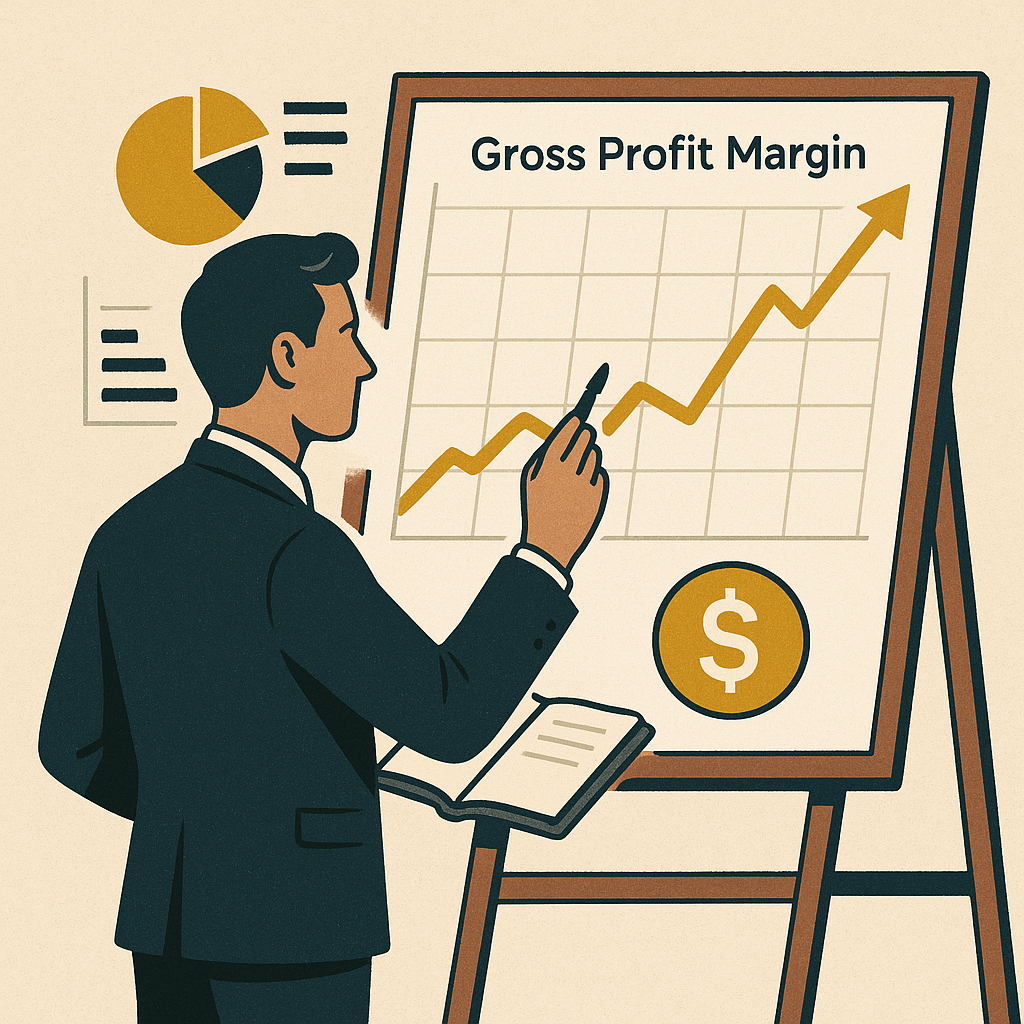
You can’t manage what you don’t measure. These are the numbers worth watching closely when conditions get uncertain:
- Gross Profit Margin: This tells you how efficiently your core operations are running. If this number is slipping, something in your cost structure needs attention.
- Customer Acquisition Cost (CAC): Knowing what it costs to bring in a new customer lets you make smarter decisions about where your marketing budget goes.
- Customer Retention Rate: A high retention rate means your existing customers are satisfied — and that’s a steadier revenue base than constantly chasing new ones.
- Operating Cash Flow: This is the clearest picture of how much cash your business is actually generating from day-to-day operations. Watch it monthly.
Scenario Planning for Future-Proofing

Scenario planning means writing out what different futures actually look like for your business — and deciding in advance how you’d respond to each one. It’s how you avoid making reactive decisions under pressure. Here’s how to run the process:
- Identify Key Drivers: List the external factors that could hit your business hardest — economic shifts, new regulations, technology changes. Those are the variables your scenarios need to account for.
- Develop Scenarios: Build out a range of situations based on those drivers, from best-case to worst-case. Think through what each one means for your operations and your cash flow.
- Test Strategies: Run your current strategies against each scenario. Where do they hold up? Where do they break? Those gaps are what you need to address now, not later.
- Action Plans: Write a specific response plan for each scenario. When conditions change, you already know what to do — and that speed is a real competitive advantage.
Disclosure: this article may contain affiliate links. If you buy through them, we may earn a small commission at no extra cost to you.



Leave a Reply