

How to Monetize Your Mobile App in 2026
Millions of apps are competing for the same users. Building something functional is no longer the hard part. The operators who win in 2026 are the ones who pick the right revenue model early, test it relentlessly, and let compounding do the loud talking. This guide breaks down exactly how to monetize your mobile app — with real examples and a clear blueprint you can act on today.
Understanding the Mobile App Economy
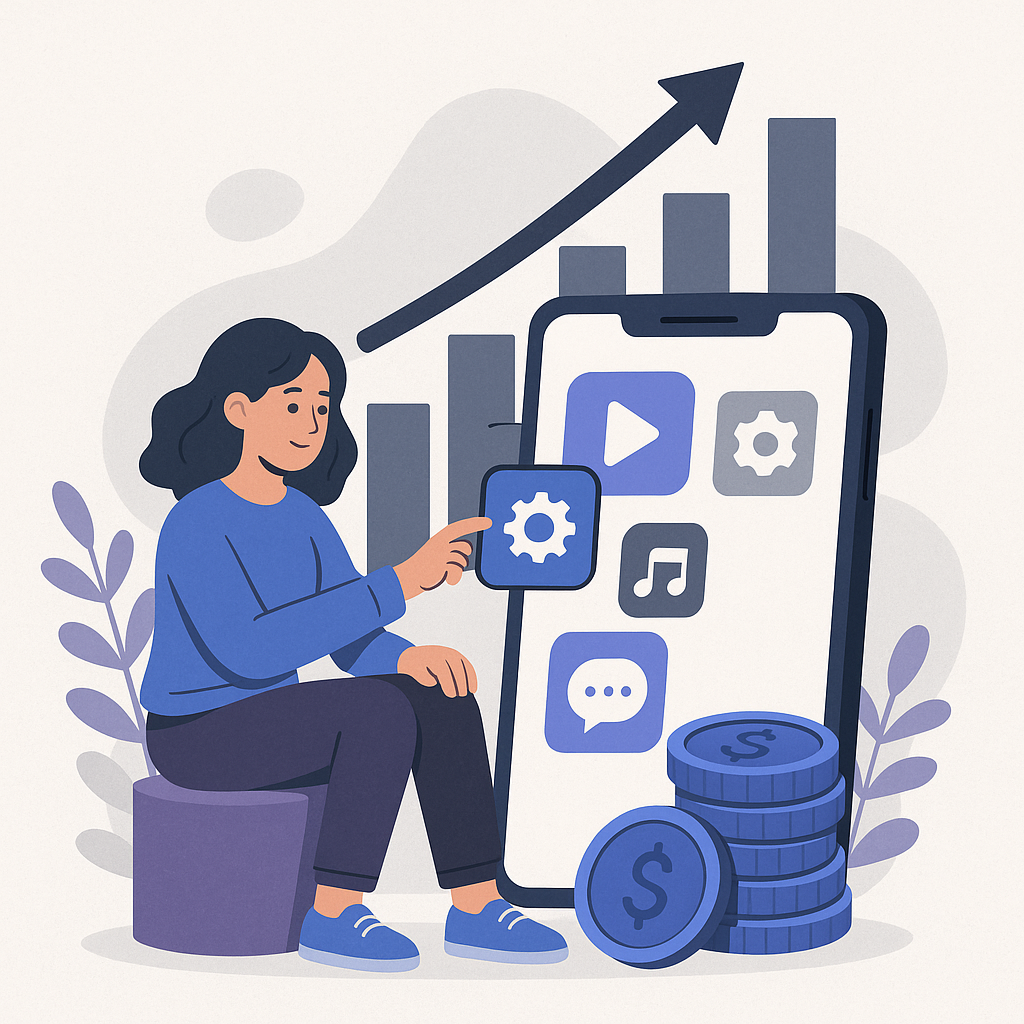
Mobile app revenue is not slowing down. Users are spending more time — and more money — inside apps than ever before. But the revenue potential sitting inside that trend is only accessible to builders who understand which monetization model fits their product. Pick the wrong one and you leave money on the table. Pick the right one and every new user compounds your return.
Freemium Model
Free to download. Paid to unlock. The freemium model works because it removes the barrier to entry while creating a clear upgrade path for users who get real value from the product.
- Case Study: Evernote built its business on this exact structure. Basic note-taking stayed free. Offline access, additional storage, and advanced features sat behind a paywall. The result was a steady, predictable revenue stream driven by users who were already sold on the product.
- Blueprint: Identify the features your users value most. Gate those. Use Google Analytics to track where free users drop off and where they convert. That data tells you exactly where to draw the line.
Subscription Model
Recurring revenue is the closest thing to a reliable foundation in app monetization. Subscriptions work best when your app delivers ongoing value — content, coaching, tools that users return to daily.
- Example: Strava gates its advanced performance metrics and personalized coaching behind a subscription. Users who are serious about their training pay without hesitation.
- Blueprint: Run your subscription billing through Stripe. Offer a free trial. Let users experience the premium layer before asking for a credit card. Conversion rates climb when the value is already proven.
In-App Purchases and Advertising
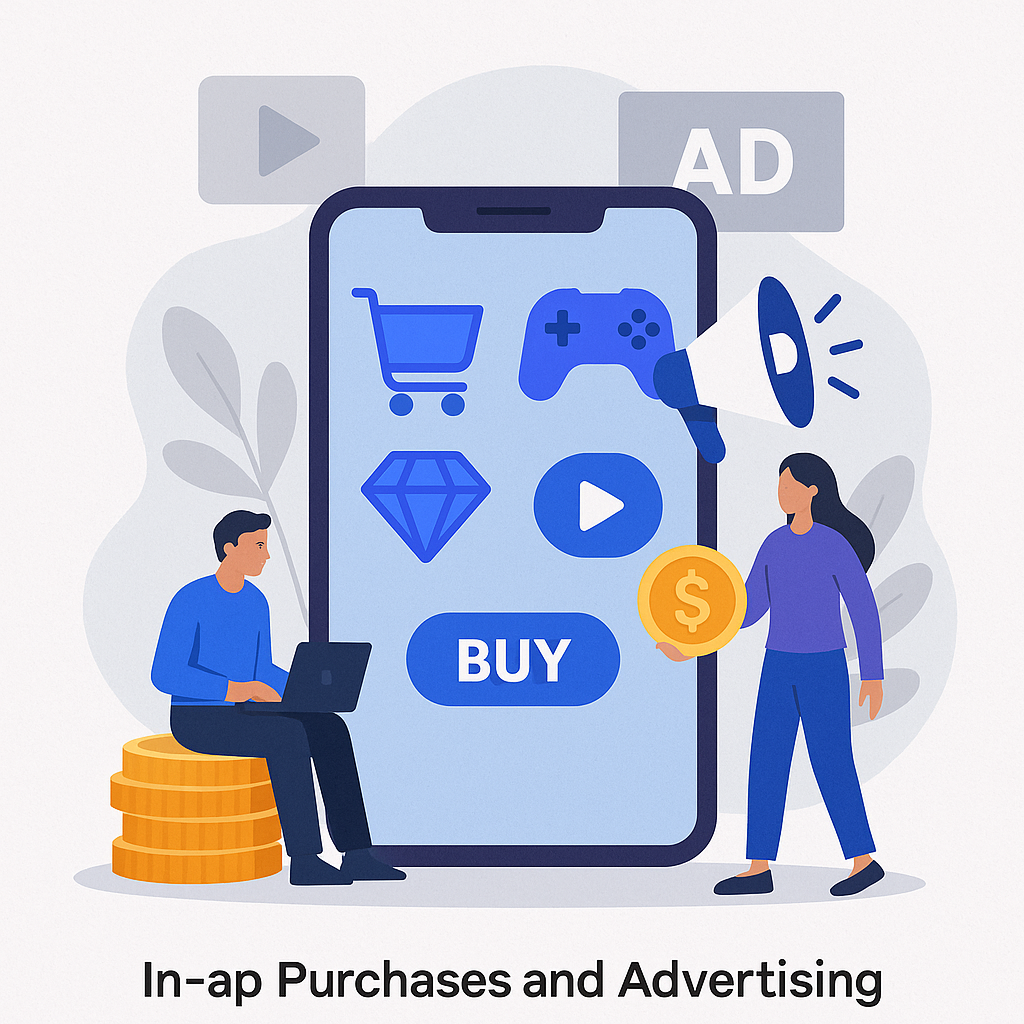
These two channels are the workhorses of app monetization. Used correctly, they stack revenue on top of whatever primary model you are already running. Used carelessly, they erode the user experience and kill retention.
In-App Purchases
Virtual goods. Extra lives. One-time unlocks. In-app purchases convert best when the item being sold removes a real friction point or delivers a clear moment of delight.
- Case Study: Candy Crush Saga generates hundreds of millions in annual revenue almost entirely through in-app purchases. Extra lives and power-ups are low-cost, high-frequency transactions that add up fast at scale.
- Blueprint: Manage iOS purchases through Apple’s iTunes Connect and Android purchases through Google Play Console. Design your purchase moments around natural friction points in the user journey — not arbitrary paywalls.
Advertising
Ads work when they are targeted and placed with discipline. They fail when they interrupt users at the wrong moment and tank your retention numbers.
- Example: Instagram built one of the most profitable ad businesses in history by keeping ads native to the feed experience. Users barely notice the seam between content and promotion.
- Blueprint: Use Google AdMob to manage placements and optimize fill rates. Watch your session length data closely. If ads are shortening sessions, you are showing too many, too often.
Leveraging AI and Automation
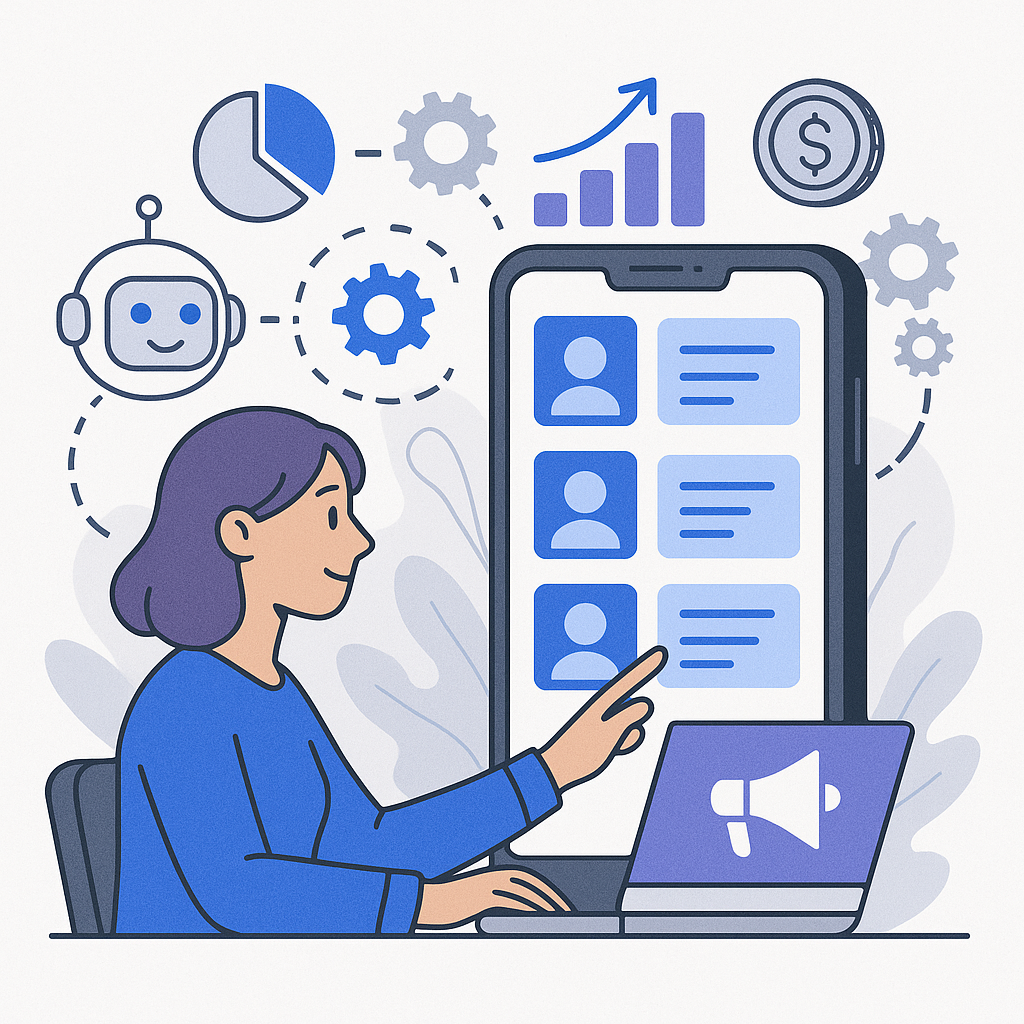
AI is not a trend to chase. It is a set of tools that, applied correctly, makes your monetization engine more precise and your operations leaner. The silent operator uses AI to do more with less — not to add noise.
Personalization with AI
Personalized experiences drive engagement. Higher engagement drives conversion. The math is straightforward — the execution is where most apps fall short.
- Example: Spotify’s AI-curated playlists are a direct driver of subscription upgrades. Users who feel understood by a product are far more likely to pay for it.
- Blueprint: Integrate TensorFlow for machine learning capabilities. Feed it behavioral data. Use the output to surface the right upgrade prompt to the right user at the right moment — not a blanket push notification to everyone.
Automation Tools
Every manual process in your operation is a cost. Automation cuts that cost and frees you to focus on decisions that actually move revenue.
- Example: Platforms like n8n connect your services and automate workflows without requiring a full engineering team. Onboarding sequences, support triggers, and update notifications can all run without you touching them.
- Blueprint: Start with user onboarding. Automate the first seven days of the user experience. That window determines whether someone becomes a paying customer or churns. Get it right once, then let it run.
Actionable Next Steps
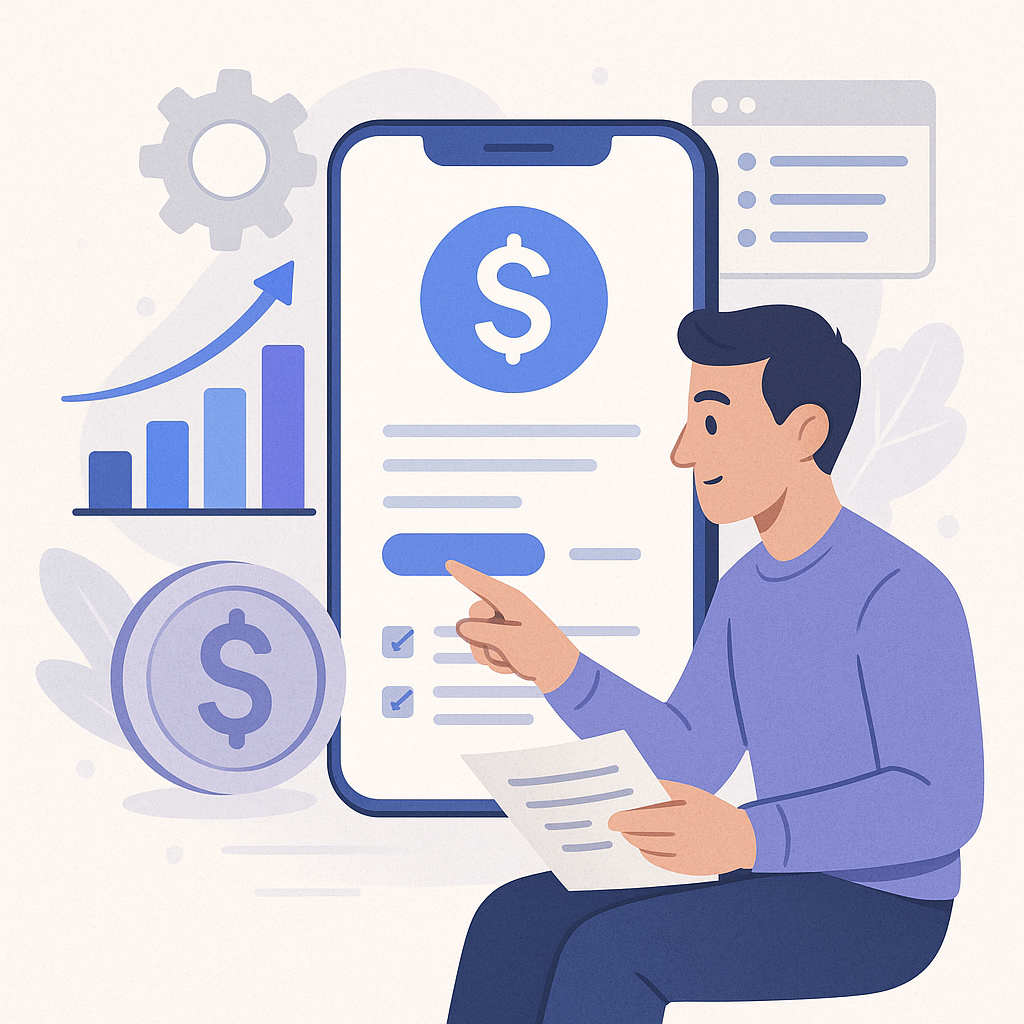
Stop waiting for the perfect strategy. Pick a model, implement it, and let the data tell you what to fix. Here is where to start.
- Research your target users’ spending behavior before you commit to a monetization model.
- Choose the model that fits your app’s core value loop — not the one that sounds most impressive.
- Track user behavior with analytics from day one. Decisions without data are guesses.
- Test different approaches. Kill what does not convert. Double down on what does.
- Deploy AI and automation to sharpen your user experience and reduce operational drag.
If you are building a mobile app from the ground up and want tools that compress the timeline, ArcanoLabs gives you the infrastructure to move faster and monetize smarter.
Build in silence. Optimize relentlessly. The operators who stack sustainable revenue in 2026 are not the loudest ones in the room — they are the ones who execute while everyone else is still debating.
Partnerships and Affiliate Marketing
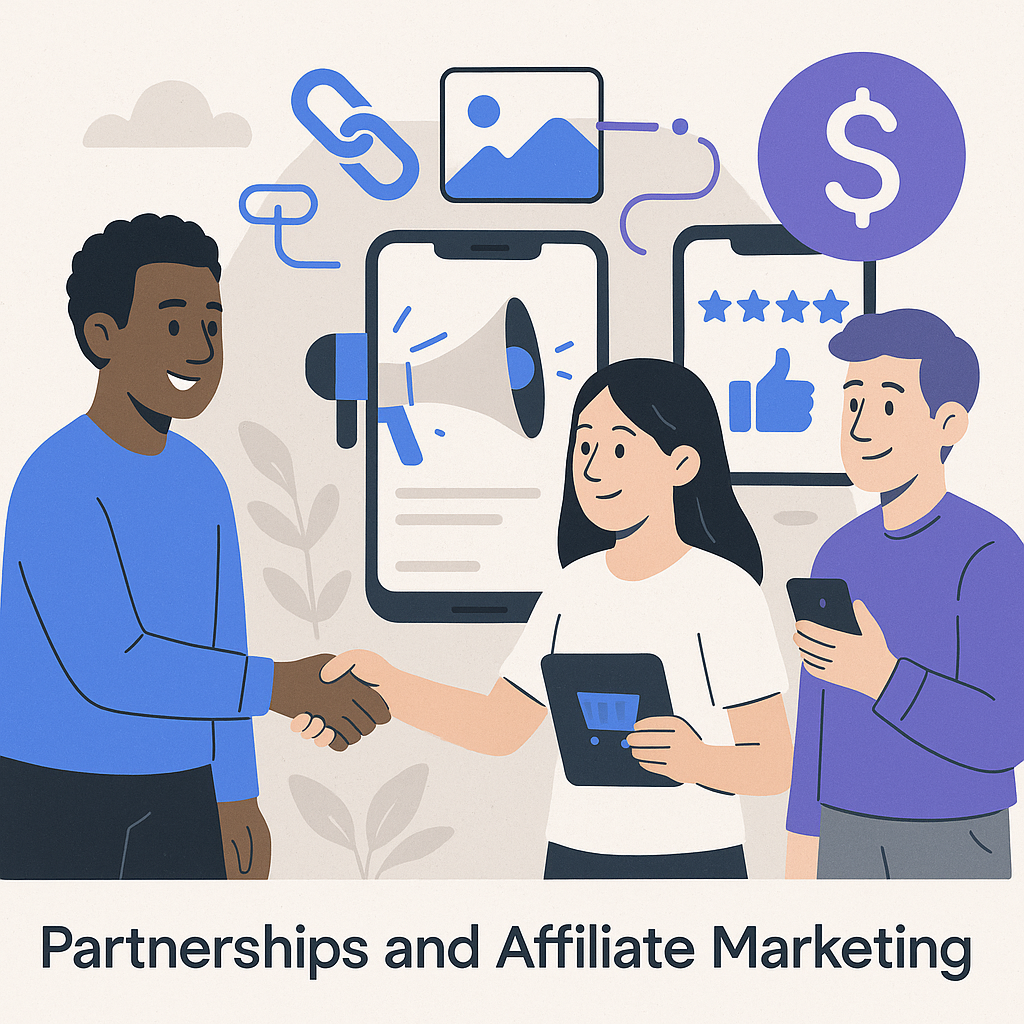
Partnerships and affiliate marketing are underused revenue channels. Done right, they add income without adding complexity — you are monetizing the trust you have already built with your users.
Building Strategic Partnerships
The right partnership puts a complementary product in front of your users at exactly the moment they need it. That is not an interruption — it is a service.
- Example: A travel app partnering with a hotel booking platform to surface exclusive rates at checkout. The user wins. Both businesses win. The integration earns revenue on transactions that were already happening.
- Blueprint: Map your users’ adjacent needs. Find brands already serving those needs. Use PartnerStack to structure the partnership, track performance, and manage payouts without manual overhead.
Affiliate Marketing Integration
Affiliate marketing converts best in niche apps where the audience is specific and the trust is high. Recommend the wrong product and you burn that trust fast. Recommend the right one and you earn on every sale without touching inventory.
- Example: A fitness app embedding affiliate links to training gear or supplements earns a percentage of each sale driven through the app. The user gets a curated recommendation. The operator earns in peace.
- Blueprint: Join relevant programs through Awin. Vet every product against your audience’s actual needs. Relevance is what keeps the revenue flowing — and the trust intact.
Utilizing Data Monetization
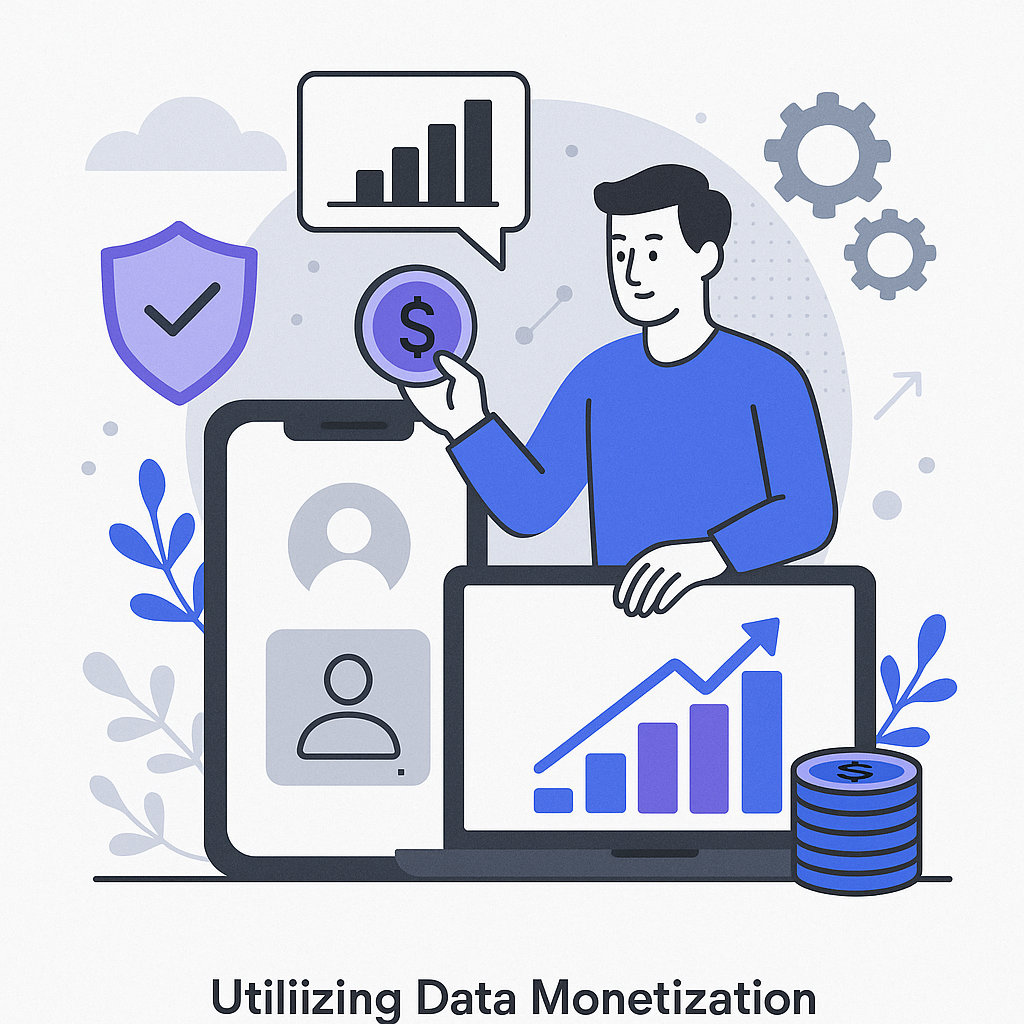
Your app generates behavioral data every day. That data has real monetary value — but only if you handle it with discipline. Misuse it and you lose users. Use it correctly and it sharpens every revenue channel you are already running.
Ethical Data Usage
Transparency is not optional. Users who understand how their data is used — and who control their privacy settings — are more likely to stay, engage, and pay. Opacity kills retention.
- Example: An app delivering personalized offers based on stated user preferences, with anonymized data and clear opt-in controls. Users see value. Trust holds.
- Blueprint: Write a plain-language privacy policy. Obtain explicit consent before collecting behavioral data. Use Immuta to manage compliance with data protection regulations across markets.
Enhancing Ad Strategies with Data Insights
Better data means better targeting. Better targeting means higher EPMV. That is the direct line between your analytics stack and your ad revenue.
- Example: An e-commerce app using purchase history to serve contextually relevant ads sees higher click-through rates and stronger conversion — because the ad matches where the user already is in their buying journey.
- Blueprint: Run Mixpanel to map user behavior at a granular level. Use those insights to refine ad placement timing, format, and targeting. Small improvements in relevance compound into significant EPMV gains over time.
Community Building and User Engagement
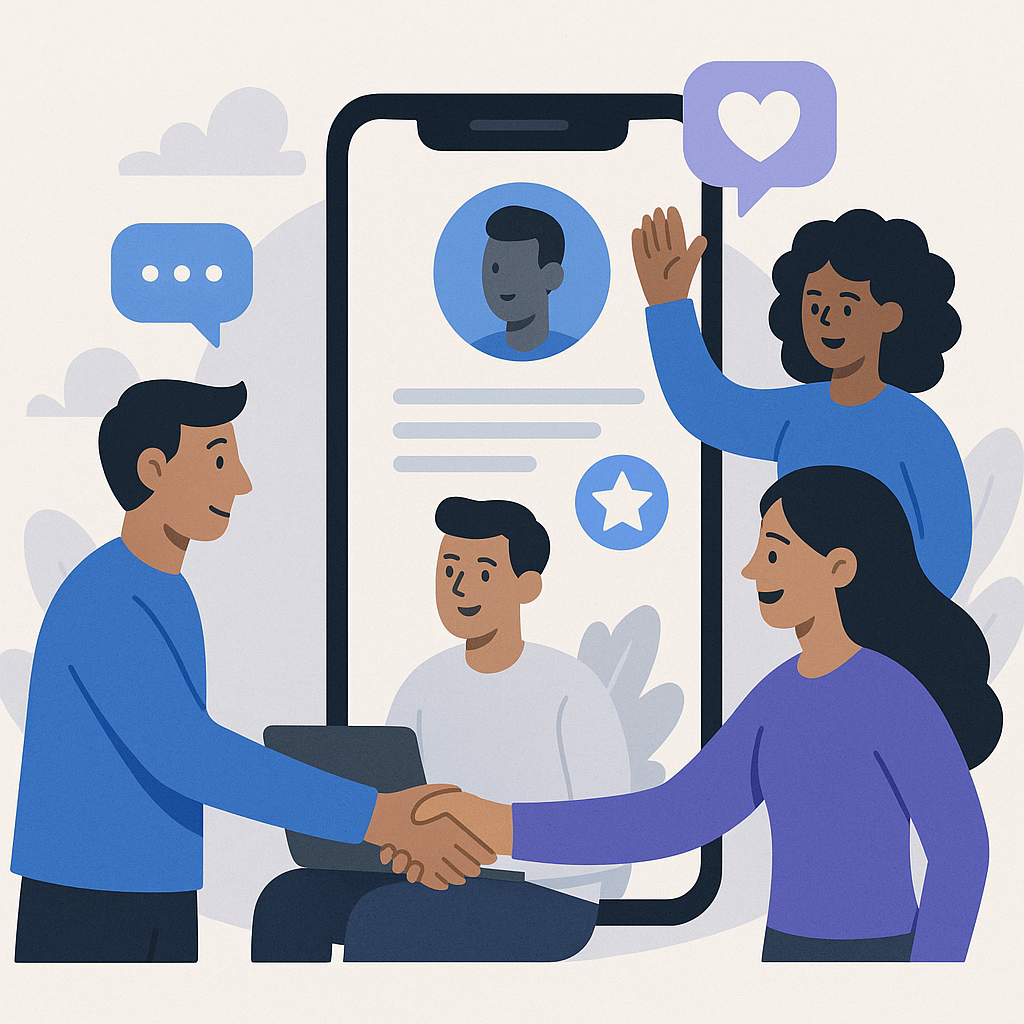
Engaged users spend more. They stay longer, upgrade more readily, and bring others in through word of mouth. A strong community around your app is not a soft metric — it is a direct revenue driver.
Fostering a User Community
Community creates retention that no push notification campaign can replicate. When users feel connected to each other through your app, leaving becomes a social cost — not just a product decision.
- Example: A language learning app hosting active forums and social groups where users share progress and tips. The community becomes part of the product’s value proposition.
- Blueprint: Build your forum infrastructure on Discourse. Drive participation through challenges, leaderboards, and milestone recognition. Update regularly — stale communities die quietly.
Interactive and Gamified Experiences
Gamification is not about making your app feel like a game. It is about making progress visible and rewarding consistent behavior. Users who feel momentum inside your app spend more time — and more money — inside it.
- Example: A productivity app that rewards task completion with points, streaks, or unlockable features. Users return daily to protect their streak. Daily return drives conversion.
- Blueprint: Use Badgeville to implement gamification mechanics without building from scratch. Refresh the reward structure regularly to prevent the experience from going stale and losing its pull.
Leave a Reply