


Identifying and Overcoming Common Marketing Challenges in 2026
You have an online business. The pieces look right on paper. But the marketing isn’t pulling its weight, and you can’t quite put your finger on why. That’s a common spot to be in. The real answer isn’t to spend more on ads or chase every new platform. It’s to build a system — one that generates owned traffic and compounds while you sleep.

The Changing Landscape of Marketing in 2026

Marketing in 2026 looks different from what it did even three years ago. Consumer expectations have shifted hard toward personalized, relevant experiences. The numbers back that up. Businesses that treat marketing as a system — not a series of one-off campaigns — are the ones seeing the receipts. That shift needs to be built into your strategy from the ground up.
Challenge 1: Standing Out in a Saturated Market
There are a lot of businesses competing for the same attention. Paid reach is expensive and temporary. Here’s what the receipts show: brands that build owned traffic create an audience that sticks around. That traffic compounds over time instead of disappearing the moment you stop paying for it.
- Solution: Build a distinct voice and deliver value your competitors aren’t. Use tools like Namecheap to lock down a memorable domain and establish a solid home base online.
- Strategy: Publish content that solves real problems for your audience. A blog or podcast that answers the questions people are already searching for builds authority steadily and quietly.
Challenge 2: The Shift Towards Privacy and Data Protection
Consumers in 2026 know their data has value, and they’re paying attention to how businesses use it. The real answer here is straightforward: be transparent. Businesses that are upfront about data practices earn trust, and trust is what keeps people coming back.
- Solution: Put a clear privacy policy in place and make sure your marketing systems meet current data protection standards. That protects your audience and keeps your business on solid legal ground.
- Strategy: Choose platforms that handle data collection ethically. The tools you use should reflect the values you want your brand associated with.
Challenge 3: Navigating New Technologies
AI, VR, and AR are no longer things to watch from a distance — they’re already inside the marketing strategies of businesses pulling real numbers. The opportunity is in using these tools to build better customer experiences that run while you sleep.
- Solution: Stay current with what’s working and fold it into your system deliberately. AI-driven chatbots and AR experiences can engage users at scale without requiring you to be present for every interaction.
- Strategy: Keep your skills sharp. Platforms like The Silent Webmaster tutorials give you practical resources to stay ahead without the noise.
Challenge 4: Measuring ROI Effectively
If you can’t read the receipts, you can’t improve the system. A lot of businesses run marketing efforts without clear data on what’s actually working. The real answer is to build measurement into the process from day one.
- Solution: Use analytics tools to track performance and make decisions based on what the numbers say. Google Analytics and similar platforms show you exactly where users come from and what they do when they arrive.
- Strategy: Review your metrics on a regular schedule and adjust based on what you find. Small, consistent improvements compound into meaningful results over time.
Taking the First Step Towards Overcoming These Challenges

Start by looking honestly at what you already have. Which channels are producing and which ones are just costing you time? The goal is a marketing system that keeps generating receipts even when you step away from the desk.
- Audit your current marketing channels and cut what isn’t performing.
- Shift your focus toward building owned traffic through content marketing and SEO.
- Choose tools and platforms that align with your data privacy standards.
For more detail on building income systems that hold up, the The Silent Webmaster blog goes deeper on each of these areas.
Conclusion: Building a Resilient Marketing System
Marketing in 2026 isn’t about chasing trends. It’s about building a system that works whether you’re watching it or not. When you understand the real challenges and address them with the right structure, the results compound. The receipts add up quietly, over time, while you sleep.
Start with an honest look at your current setup. Make one strategic change, then another. Check out our resources page for the tools that make each step easier.
Developing an Adaptive Marketing Strategy
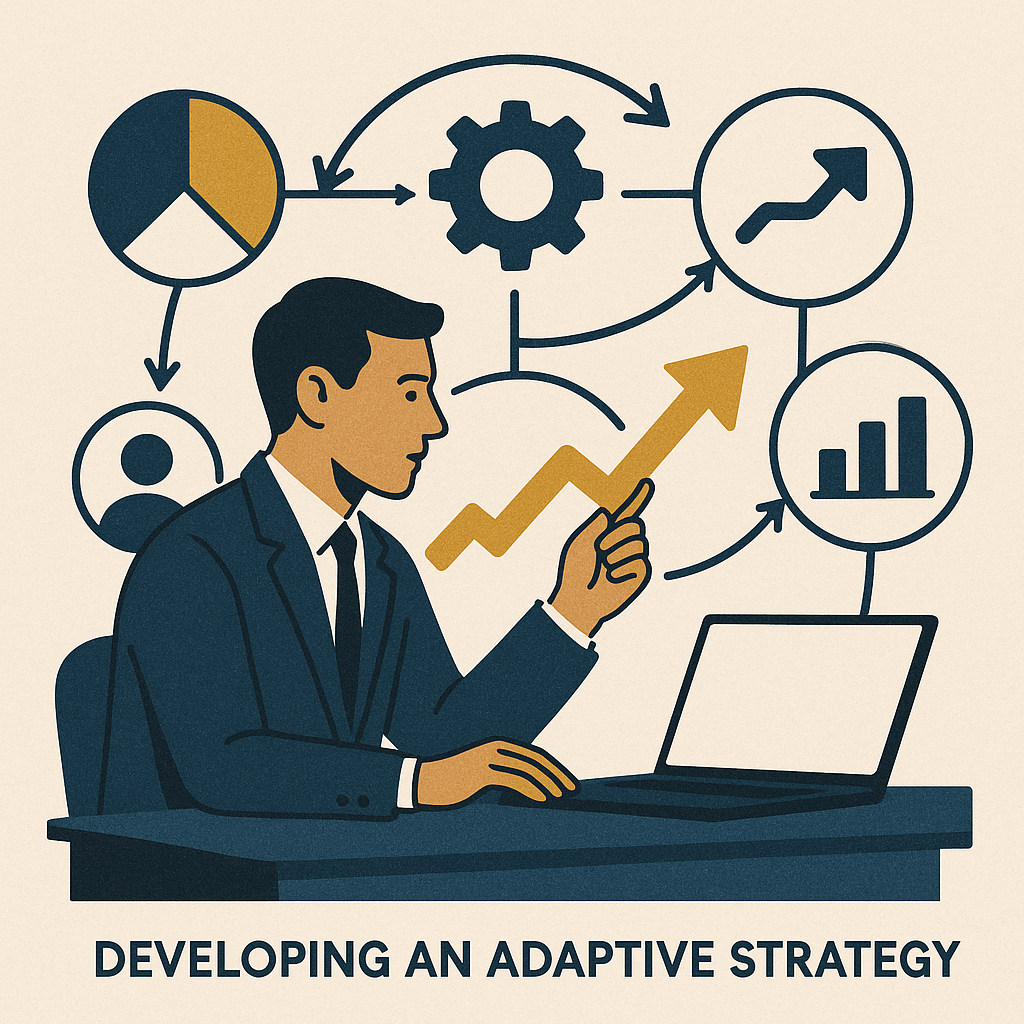
Speed matters in 2026. Markets shift, consumer behavior changes, and the businesses that respond quickly are the ones that hold their ground. An adaptive marketing strategy isn’t just about planning for today — it’s about building a system that can pivot without falling apart when conditions change.
Steps to Create an Adaptive Marketing Strategy
- Continuous Market Research: Track trends, watch what competitors are doing, and pay attention to what consumers are actually asking for. Tools like Statista give you solid industry data to work from.
- Flexible Resource Allocation: Keep your budget movable. When an opportunity shows up, you need to be able to act on it without dismantling everything else.
- Scenario Planning: Map out a few versions of how the market could shift and decide in advance how your strategy would respond to each one.
- Feedback Loops: Build systems that pull in real-time input from customers and stakeholders so your adjustments are based on actual data, not assumptions.
Case Study: Adaptive Strategy in Action
A mid-sized e-commerce company watched its sales drop when consumer spending habits shifted quickly. Instead of waiting it out, they used predictive analytics to spot where demand was moving and adjusted both their product mix and their messaging to match. The result was a 20% increase in sales over the following quarter. That’s what the receipts look like when a system responds instead of stalls.
Leveraging Collaborative Marketing

Partnering with other brands or with the right voices in your space is one of the more efficient ways to reach new audiences in 2026. You share resources, you share reach, and when it’s done right, both sides see the numbers move.
Types of Collaborative Marketing
- Brand Partnerships: Find brands that complement what you offer. A fitness apparel company teaming up with a health food brand, for example, gives both sides access to an audience that already fits the profile.
- Influencer Collaborations: Work with people who already have the trust of your target audience. A genuine endorsement from the right voice carries more weight than most paid placements.
- Community Collaborations: Partner with local communities or causes that reflect your values. That kind of alignment builds real loyalty over time.
Checklist for Successful Collaborations
- Identify partners whose values line up with your brand.
- Set clear objectives and expectations before anything is signed.
- Build a shared marketing plan with defined responsibilities on both sides.
- Agree on the metrics you’ll use to measure whether it worked.
FAQs on Overcoming Marketing Challenges in 2026
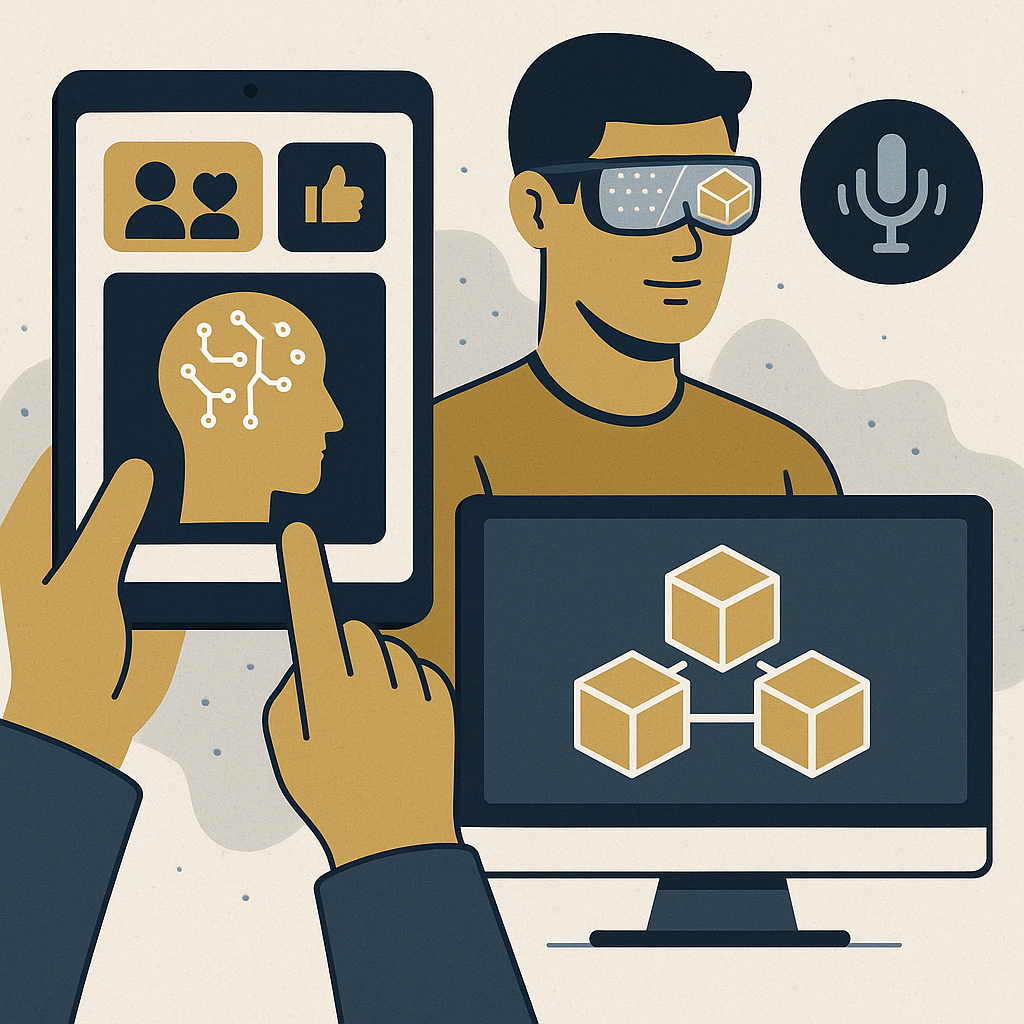
What are the top emerging technologies in marketing for 2026?
AI-driven personalization, augmented reality for immersive experiences, blockchain for secure transactions, and voice search optimization are the technologies showing up most consistently in effective marketing strategies right now.
How can small businesses compete in a saturated market?
Focus on a specific niche, build real relationships within your community, and use digital tools that give you reach without a large budget. A clear value proposition and personalized service are often what separates a small business from the noise.
What are key performance indicators (KPIs) to track in 2026?
Customer lifetime value (CLV), engagement rates across platforms, conversion rates, cost per acquisition (CPA), and return on marketing investment (ROMI) are the numbers worth watching. They tell you whether your system is actually working.
Key Performance Metrics for 2026
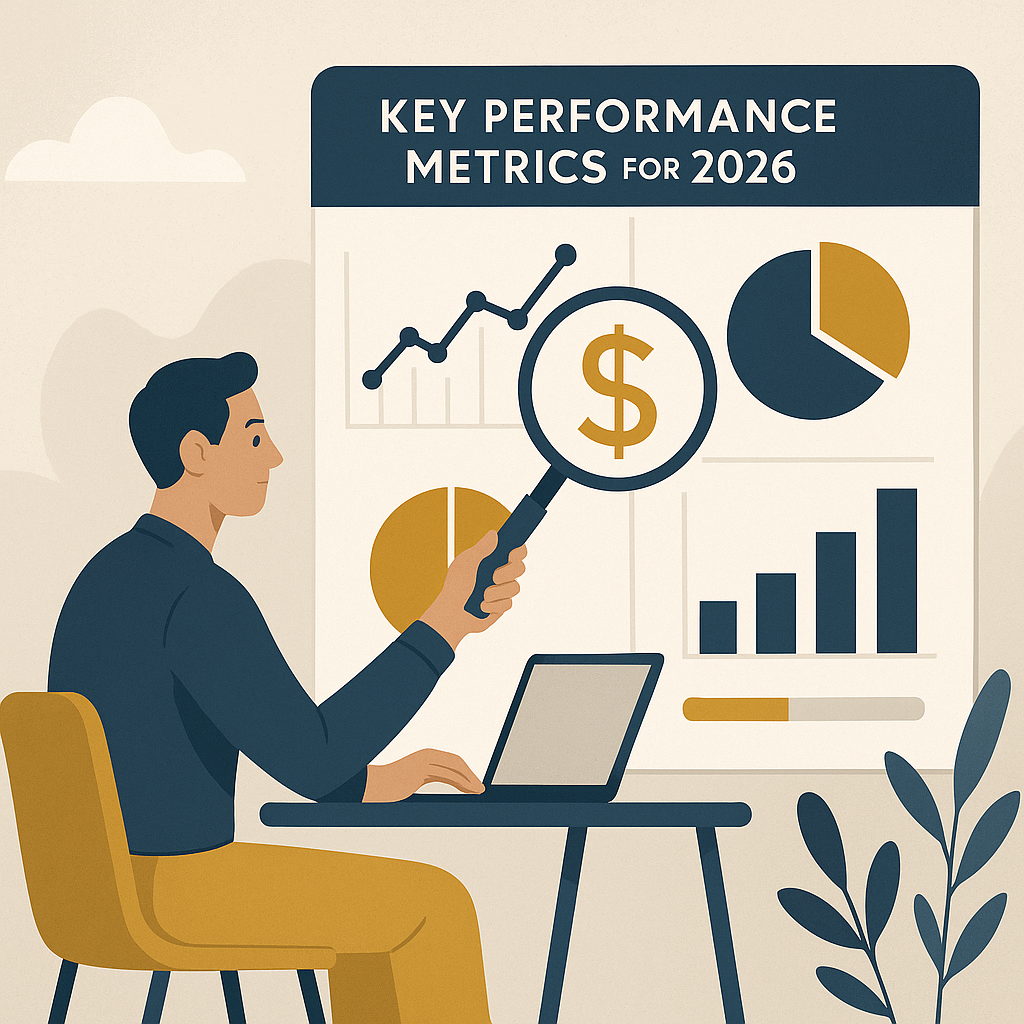
You can’t improve what you don’t measure. These are the KPIs that should sit at the center of your marketing system in 2026:
- Customer Lifetime Value (CLV): This tells you the total revenue you can expect from a customer over the full course of your relationship. It’s one of the clearest receipts for whether your marketing is building something durable.
- Engagement Rate: Track how your audience interacts with your content across platforms. High engagement is a signal that your messaging is landing with the right people.
- Conversion Rate: Watch the percentage of visitors who take a desired action — a purchase, a sign-up, a download. This number tells you how well your funnel is actually working.
- Net Promoter Score (NPS): Ask customers how likely they are to recommend you. The answer tells you more about long-term loyalty than almost any other single metric.
Track these consistently and you’ll have a clear, honest picture of where your marketing system stands — and exactly where to push next.
Disclosure: this article may contain affiliate links. If you buy through them, we may earn a small commission at no extra cost to you.



Leave a Reply