


It’s 11 p.m. You’re three hours into a debugging session, your screen is the brightest thing in the room, and your eyes feel like sandpaper. That’s a familiar setup for solo developers and multi-job operators. Blue light glasses keep coming up as a fix. Here’s what the receipts actually say — and a clear way to figure out whether they belong in your setup.

The Claim: Blue Light Glasses Can Reduce Eye Strain
Plenty of developers say blue light glasses let them code longer without discomfort. A study published in an optometry journal found a meaningful share of users reported reduced eye strain after switching to them. That’s a real data point — but it’s not the whole picture.
How Blue Light Affects You
Blue light is everywhere, but screens concentrate it right at your face for hours at a stretch. Prolonged exposure drives digital eye strain — headaches, dry eyes, blurred vision. For someone coding through the afternoon and into the night, that’s not a minor annoyance. It’s hours of lost output compounding across every session.
Do Blue Light Glasses Really Work?
Here’s the real answer: they help some people, not everyone. How much relief you get depends on your individual sensitivity to blue light. Survey data shows many users notice a clear drop in eye strain symptoms, but it isn’t a universal fix. If you’re dealing with regular discomfort, the only way to know is to run the test yourself.
Evaluating the Investment: Are They Worth the Cost?
Blue light glasses run anywhere from $20 to over $100. For a solo operator watching every dollar, that range matters. But if a $25 pair adds two clean hours to your daily session, the math works in your favor fast.
- Budget Options: Affordable pairs on platforms like Amazon can do the job — just check that the reviews are specific about eye strain relief, not just build quality.
- Premium Brands: Higher-end options tend to offer better construction and extras like anti-reflective coatings, which cut glare on top of filtering blue light.
Start with a budget pair. If you feel a difference after a week, that’s your signal to invest in something more durable.
Integrating Blue Light Glasses into Your Coding Routine

Here’s a simple system for working them into your routine without overthinking it:
- Identify Symptoms: Track when eye strain hits. Is it after two hours? Only during late-night sessions? Knowing the pattern tells you when the glasses need to be on.
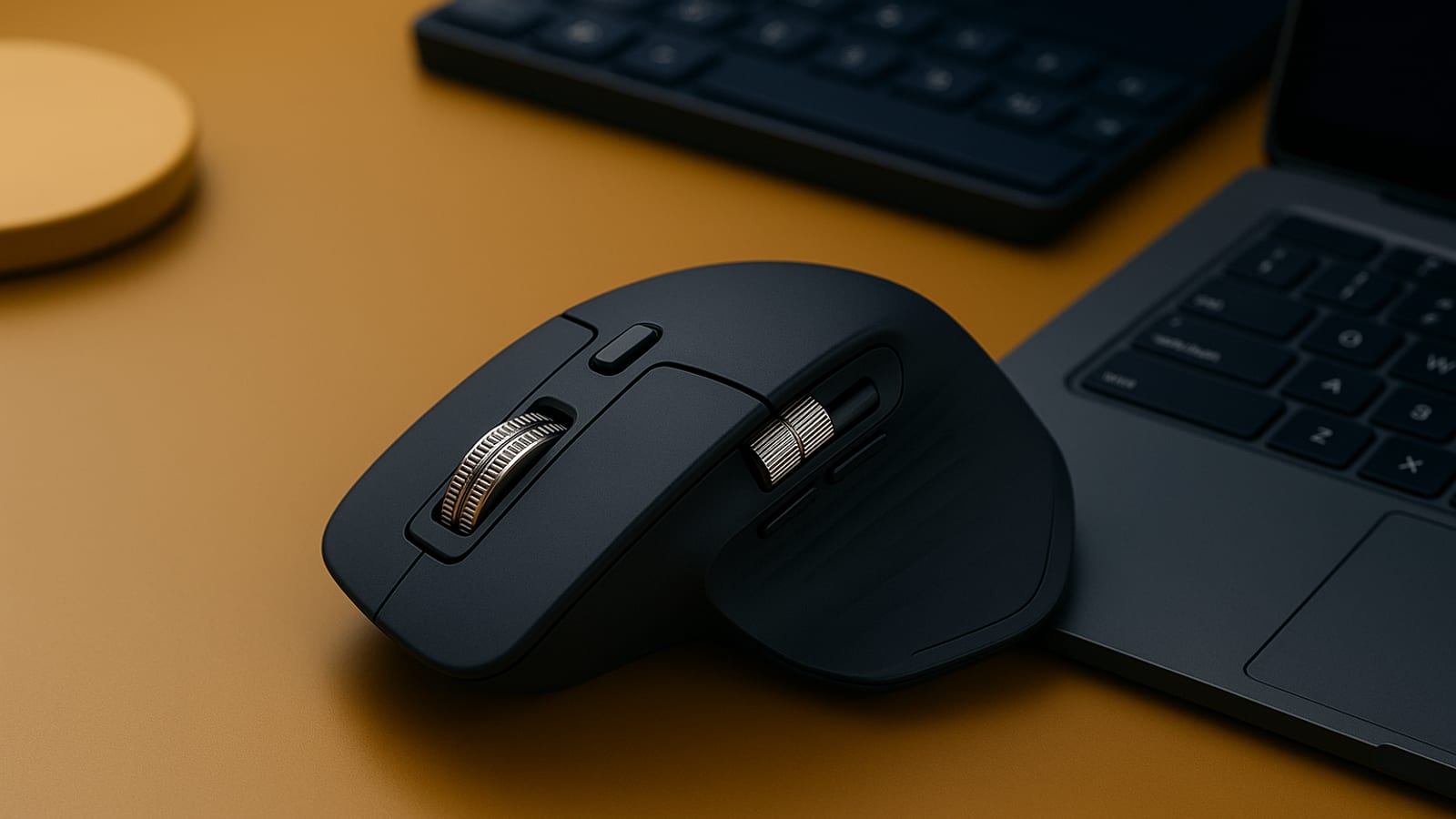
- Choose Your Glasses: Start with an affordable pair. Brands like Blue Yeti Microphone and Logitech MX Master 3S offer solid starting points.
- Test for a Week: Wear them consistently through every coding session and write down what changes — or doesn’t.
- Evaluate: If your symptoms drop, that’s your receipt. Move up to a higher-quality pair and make it a permanent part of the setup.
The glasses are one piece of the system. Regular breaks and dialed-in screen settings carry their own weight too.
Additional Tools for Reducing Eye Strain
If discomfort persists, layer in these alongside the glasses:
- Screen Filters: Software like f.lux shifts your screen’s color temperature as the day winds down, reducing blue light output automatically.
- Ergonomic Accessories: A quality keyboard like the Keychron K2 cuts wrist and posture strain, which feeds into overall fatigue.
- Break Reminders: An app that nudges you to step away every 20 minutes does more than it sounds like it should.
Stack these tools together and the effect compounds. Each one alone is modest. Together they build a setup that holds up across long sessions.
Conclusion: Are Blue Light Glasses Right for You?
The real answer comes from your own data. If eye strain is cutting into your output, blue light glasses are a low-cost test worth running. The goal is a system that lets you do your best work — including the sessions that run while you sleep on the problem — without paying for it with headaches the next morning.
For more on building setups that hold up over time, visit our blog or work through our tutorials for step-by-step breakdowns.
Start with a $20 pair. Give it a week. Let your own receipts decide.
Understanding Blue Light and Its Impact on Sleep
Eye strain is only part of the problem. Blue light also suppresses melatonin — the hormone that tells your body it’s time to wind down. For developers working late into the night, that means your brain stays in daytime mode long after you close the laptop. The sleep you eventually get is lighter and shorter than it should be.
- Sleep Disruption: Evening screen exposure pushes back your sleep onset, sometimes by an hour or more, even when you feel tired.
- Long-term Effects: Chronic short sleep degrades focus, decision-making, and stress tolerance — exactly the things you need to code well.
Running blue light glasses alongside your device’s night mode is a straightforward way to reduce that exposure in the hours before bed and protect the sleep that compounds your productivity the next day.
Case Study: A Developer’s Experience with Blue Light Glasses
Jane is a freelance web developer carrying multiple projects at once. Late-night sessions were standard, and so were the headaches and rough mornings that followed. She decided to test blue light glasses and track what happened.
Initial Observations: In the first week, eye strain dropped noticeably and the headaches came less often. Her focus held longer, and she was finishing tasks faster.
Long-term Results: Over several months, her sleep quality improved and her daytime energy stabilized. She paired the glasses with regular breaks and a few ergonomic adjustments, and the whole system held up. That’s the receipts from one developer’s real test — not a controlled trial, but a useful data point.
Checklist for Reducing Digital Eye Strain

Blue light glasses work best inside a broader system. Here’s the checklist that makes the whole thing add up:
- Adjust Screen Settings: Drop the brightness and turn on night mode. Small changes, consistent payoff.
- Maintain Proper Distance: Screen at arm’s length, top of the display at or just below eye level.
- Use the 20-20-20 Rule: Every 20 minutes, look at something 20 feet away for 20 seconds. It sounds minor until you skip it for a week and feel the difference.
- Use Artificial Tears: Lubricating drops handle the dry-eye side of the equation that glasses alone don’t fully address.
- Ensure Adequate Lighting: A well-lit room cuts screen glare and reduces the contrast your eyes are constantly fighting.
Work through this list consistently and you’ll notice the difference in how you feel at the end of a long session.
Key Performance Indicators (KPIs) for Monitoring Eye Health
You can’t improve what you don’t track. These are the numbers worth watching if you want to know whether your setup is actually working:
- Frequency of Eye Strain Symptoms: Log headaches, blurred vision, and dry eyes by day. Look for the trend over two to four weeks.
- Productivity Levels: Compare your output before and after adding blue light glasses. Tasks per session is a clean metric.
- Sleep Quality: A sleep tracking app gives you objective data on duration and depth — more useful than how you feel in the morning.
- Break Adherence: Track whether you’re actually taking breaks and whether your symptom frequency drops when you do.
Review these numbers every few weeks. They’ll tell you what’s working and where to adjust — no guesswork required.
Frequently Asked Questions (FAQs) About Blue Light Glasses
Do blue light glasses have any side effects?
They’re generally safe. A small number of users notice slight color distortion from the lens tint. If that bothers you, an optometrist can help you find a lens that filters blue light with less visible shift.
Can I wear blue light glasses all day?
Yes. If you’re in front of screens for most of the day, wearing them throughout makes sense. Balance that with real breaks and time away from screens when you can get it.
Are prescription blue light glasses available?
Yes. Most eyewear providers offer prescription versions, so you can get vision correction and blue light filtering in the same pair. Worth asking about at your next eye exam.
Disclosure: this article may contain affiliate links. If you buy through them, we may earn a small commission at no extra cost to you.

Leave a Reply