


Monetization Strategies for Faceless Blogs
No face. No personal brand. No problem. The silent operator model works because it removes the bottleneck — you — from the equation. A well-built niche site portfolio generates organic traffic around the clock, converts that traffic into revenue, and compounds quietly while you focus on the next build. This guide breaks down the monetization strategies that actually move the needle, and how to stack them into a system that holds.

Understanding the Faceless Blog Model

A faceless blog is built on content, not celebrity. The site earns because it answers real questions better than the competition — not because someone’s face is attached to it. You build the asset. You optimize for organic traffic. The content does the selling. That separation is the whole point. It lets you operate across multiple niches without brand overlap slowing you down.
Benefits of Faceless Blogs
- Scalability: Expand your content library without being locked to a single persona or voice.
- Flexibility: Run a niche site portfolio across different verticals without brand conflict.
- Low Maintenance: Once a site is ranked and monetized, it runs on minimal ongoing input.
Monetization Strategies: Turning Traffic into Revenue

Organic traffic without a monetization system is just a vanity metric. Once your site is pulling consistent visitors, you need revenue mechanisms in place. Here are the strategies that work.
1. Affiliate Marketing
Affiliate marketing is the silent operator’s first tool. You publish content that solves a problem, embed referral links to relevant products, and earn a commission on every sale. The model scales because the content keeps ranking long after you publish it.
- Step-by-step:
- Join affiliate programs matched to your niche. Amazon Associates and ShareASale are solid starting points.
- Embed links naturally inside content — product reviews, comparisons, and buying guides convert best.
- Track performance in Google Analytics and cut what underperforms.
2. Display Advertising
Display ads convert organic traffic directly into cash. Your EPMV — earnings per thousand visitors — is the number to watch. Google AdSense gets you started fast. Premium networks like Mediavine or Raptive pay significantly more once you hit their traffic thresholds.
- Implementation Guide:
- Create a Google AdSense account and verify your site.
- Place ad units where visibility is high but user experience stays intact.
- Review EPMV regularly and test placements to improve yield.
3. Sponsored Content
Brands pay for access to your audience. When your site has authority in a niche, sponsored content becomes a real revenue line — not a side note. The key is keeping it aligned with what your readers already trust.
- Execution Steps:
- Identify brands that fit your niche. Platforms like Influence.co help surface potential partners.
- Negotiate terms that protect your content integrity and match your audience’s expectations.
- Publish sponsored pieces that read as genuine — transparency with readers is non-negotiable.
Using Technology to Automate the Operation

The silent operator does not manually manage every moving part. Automation is what makes a niche site portfolio viable at scale. These are the tools that matter.
1. AI Content Generation
Platforms like ArcanoLabs generate, optimize, and publish content at volume. Consistency and quality stay high. Your time shifts toward strategy and growth instead of production.
2. Workflow Automation with n8n
n8n connects your tools and automates the repetitive work — content scheduling, social distribution, email triggers. Set it up once, refine it over time, and let it run.
- Getting Started:
- Install n8n on your server or use the cloud-hosted version.
- Build workflows that handle content updates, publication, and marketing emails automatically.
- Audit and tighten your workflows as the operation grows.
Building a Sustainable Revenue Model

Single-stream revenue is fragile. The operators who build in silence and earn in peace diversify across multiple monetization channels and keep content fresh enough to hold rankings. Site flipping adds another dimension — build a high-performing asset, sell it at a multiple, and redeploy the capital into the next build.
Next Steps
Pick one or two strategies that match where your site is right now. Implement them using the frameworks above. Watch the data. Cut what does not convert and double down on what does. The system compounds when you stay consistent and stay analytical.
For deeper reading on building and scaling a niche site portfolio, visit ArcanoLabs Blogs. The resources on AI content automation and systematic revenue building are worth your time.
Your next move is simple. Choose a strategy, execute it cleanly, and measure everything. That is how a faceless blog becomes a durable income asset.
Analyzing Audience and Content Performance

Data tells you what your instincts cannot. If you are not reading your audience behavior, you are optimizing blind. Here is how to build a clear picture of what is working and what is costing you revenue.
- Use Analytics Tools: Google Analytics surfaces visitor demographics, behavior patterns, and content engagement. Use it consistently, not occasionally.
- Track Key Metrics: Bounce rate, average session duration, and conversion rates reveal whether your content is doing its job or just collecting impressions.
- Segment Your Audience: Different readers want different things. Segment by interest and behavior, then tailor content and monetization to each group.
- Conduct A/B Testing: Test headlines, formats, and calls to action. Small changes in these variables produce measurable differences in revenue.
Creating a Diverse Content Portfolio
One content format is a ceiling. A diverse content portfolio is a growth engine. Different formats attract different readers and open different monetization paths.
- Long-Form Articles: In-depth guides and analysis build topical authority and pull sustained organic traffic from search.
- Listicles and How-Tos: High readability, strong engagement, and easy to embed affiliate links without disrupting the reader experience.
- Infographics and Visual Content: Increases shareability and time on page — both signals that compound over time.
- Video Content: Monetizable through YouTube directly or embedded with affiliate links for an additional revenue layer.
Exploring Additional Revenue Streams

Affiliate commissions and display ads are the foundation. These channels build on top of them.
- Membership and Subscription Models: Gate premium content behind a monthly fee. Patreon makes the infrastructure straightforward to set up.
- Digital Products: E-books, courses, and templates convert your niche expertise into a product that sells without your involvement after launch.
- Freelance Services: Your site functions as a portfolio. Operators who build authority in a niche attract inbound consulting and writing clients without pitching.
- Merchandise: Viable when your site has built a genuine community. Branded products add a revenue line that does not depend on search rankings.
Case Study: Successful Faceless Blog
Take “Tech Trends Today” — a niche site portfolio property that built real revenue without a face attached to it.
- Affiliate Success: Tech product reviews and comparison content drove high-ticket affiliate commissions. The content ranked, the links converted, the revenue compounded.
- Sponsored Collaborations: Emerging tech brands paid for sponsored articles that matched the audience’s existing interests. Credibility held because the fit was genuine.
- Digital Course Launch: A “Tech for Beginners” course tapped directly into what the audience wanted to learn next — and opened a revenue stream independent of organic traffic fluctuations.
Each channel reinforced the others. The site stayed faceless throughout. That is the model working as designed.
Key Performance Indicators (KPIs) for Monetization Success
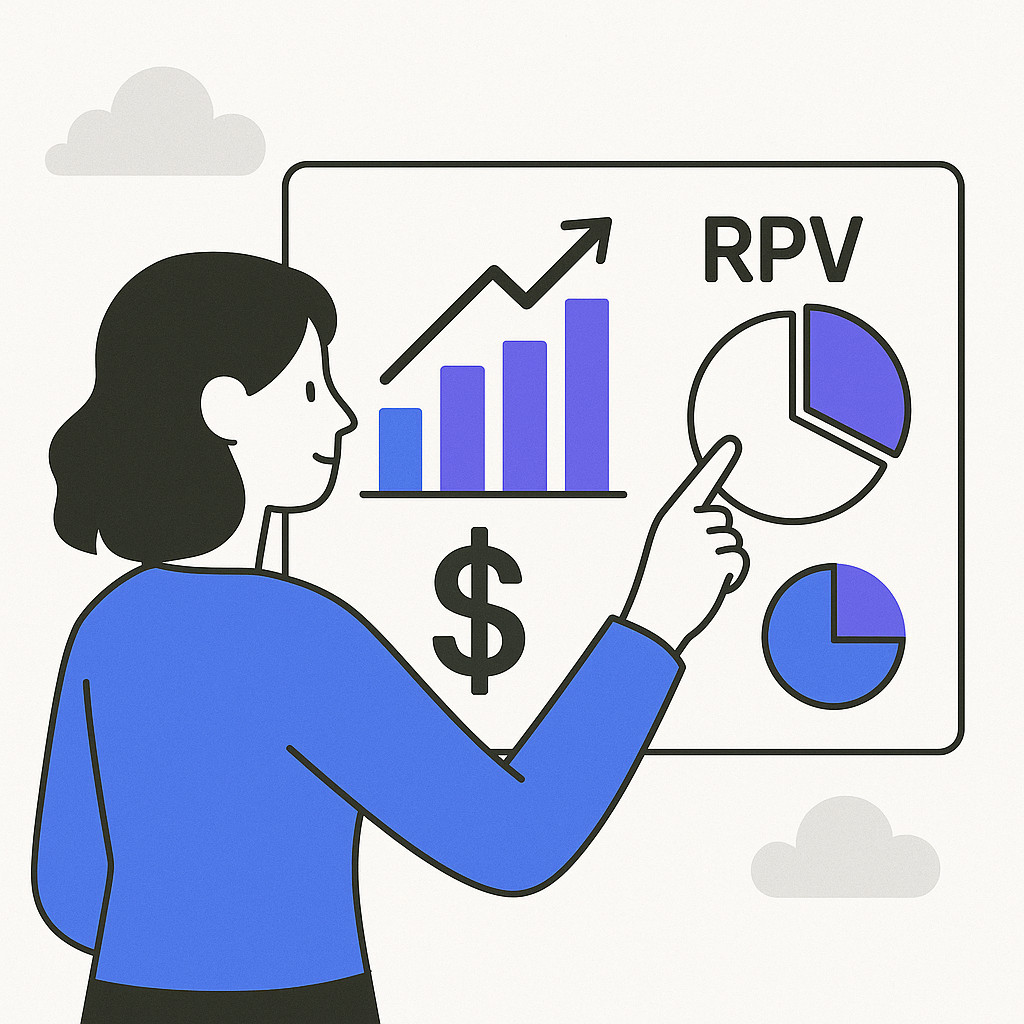
You cannot improve what you do not measure. These are the numbers that tell you whether your monetization system is tightening or leaking.
- Revenue Per Visitor (RPV): The average revenue each visitor generates. This is your clearest signal of monetization efficiency.
- Conversion Rate: The percentage of visitors who take a desired action — clicking an affiliate link, subscribing, purchasing. Low conversion rates point to content or placement problems.
- Customer Lifetime Value (CLV): The total revenue a reader relationship produces over time. Higher CLV justifies more investment in audience retention.
- Engagement Metrics: Page views, time on site, and social shares indicate whether your content is resonating or just ranking.
Using Email Marketing to Drive Revenue
Email is the one channel you own outright. No algorithm changes, no platform risk. A targeted subscriber list lets you reach your audience directly and promote products on your terms. Build it deliberately.
- Create a Lead Magnet: Offer something genuinely useful — an exclusive guide, a checklist, a resource — in exchange for an email address. Make it specific to your niche.
- Segment Your List: Group subscribers by interest and behavior. Relevant emails convert. Generic blasts do not.
- Promote Affiliate Products: Share curated recommendations inside your emails. Affiliate links embedded in trusted, targeted content outperform cold placements every time.



Leave a Reply