

How to Use Consumer Behavior Data to Build Marketing Strategies That Actually Work
Most marketers are sitting on a goldmine and treating it like a filing cabinet. Consumer behavior data tells you what people buy, how they buy it, and why they pull the trigger. Operators who read that signal correctly don’t guess at strategy. They build systems around what the data already proves, then let compounding do the loud talking.
Understanding Consumer Behavior Data

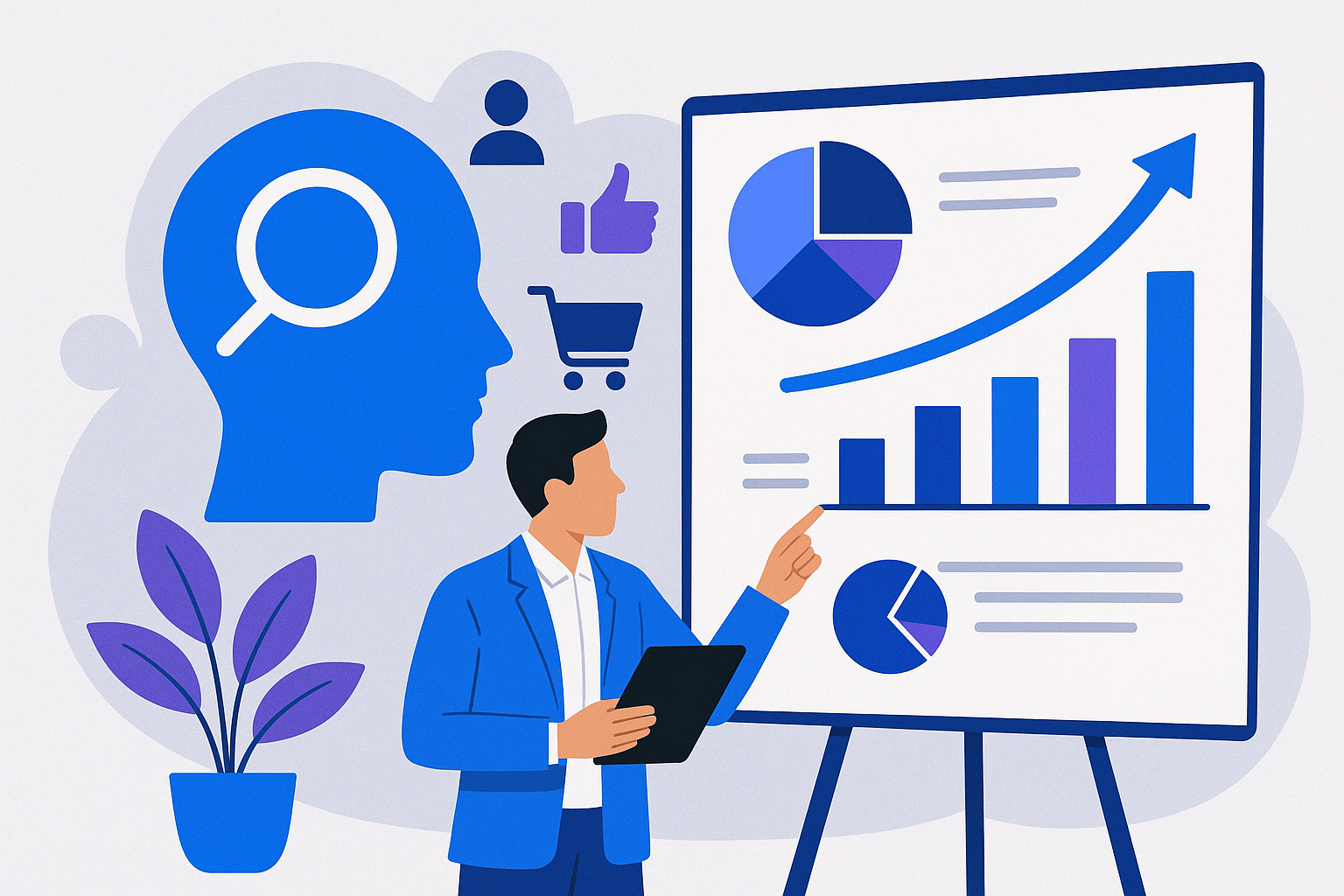
Consumer behavior data covers everything from purchase history to on-site interactions. It captures what people buy, how they navigate toward a decision, and what finally pushes them to convert. Analyze it correctly and you can predict buying trends, sharpen your messaging, and move ROI in a direction that matters.
Netflix is the obvious example. They feed viewer data back into their recommendation engine, which keeps users watching longer and churning less. That same logic applies across any niche. Anticipate what your audience wants before they search for it, and your organic traffic numbers will reflect it.
Tools for Gathering Consumer Behavior Data
You don’t need an enterprise budget to start. These three tools cover most operators well:
- Google Analytics: Tracks website traffic and user behavior. Free at the baseline, with premium tiers available.
- Hotjar: Delivers heatmaps and session recordings so you can see exactly where users engage and where they drop. Starts around $39/month.
- Mixpanel: Monitors user interactions across web and mobile. Pricing scales with usage and feature depth.
Analyzing Consumer Behavior Data
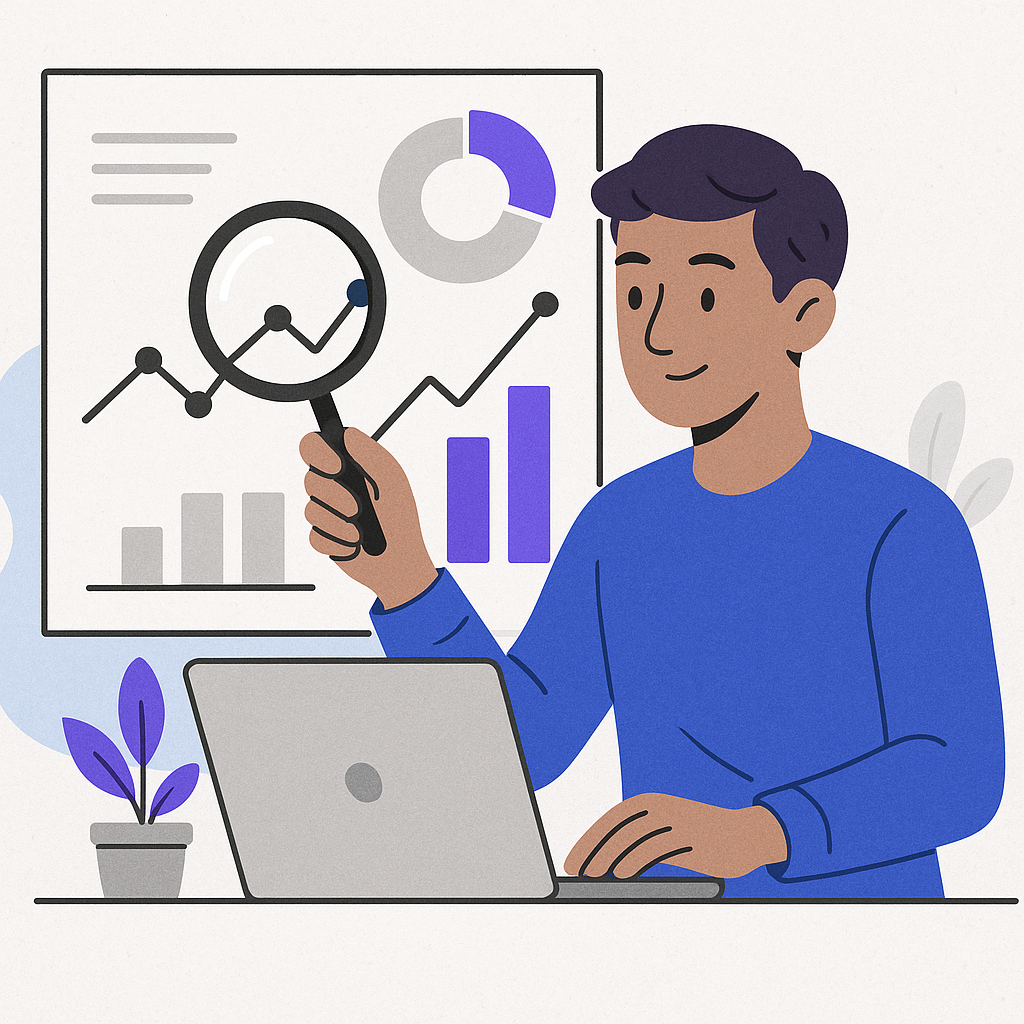
Collecting data is step one. The real work is in the patterns. Knowing when your audience shops most, what content they consume before converting, and where they exit your funnel — that’s what shapes a campaign worth running.
Step-by-Step Guide to Data Analysis
Follow this sequence and you won’t waste time chasing noise:
- Define your objectives: Know what you’re trying to learn before you pull a single report.
- Collect relevant data: Use the tools above to gather only what aligns with those objectives.
- Segment your audience: Break your audience into groups by demographics, purchasing behavior, or engagement level.
- Identify patterns: Look for consistent trends that can inform real marketing decisions.
- Test and refine: Deploy strategies based on what the data shows. Measure. Adjust. Repeat.
Developing Marketing Strategies
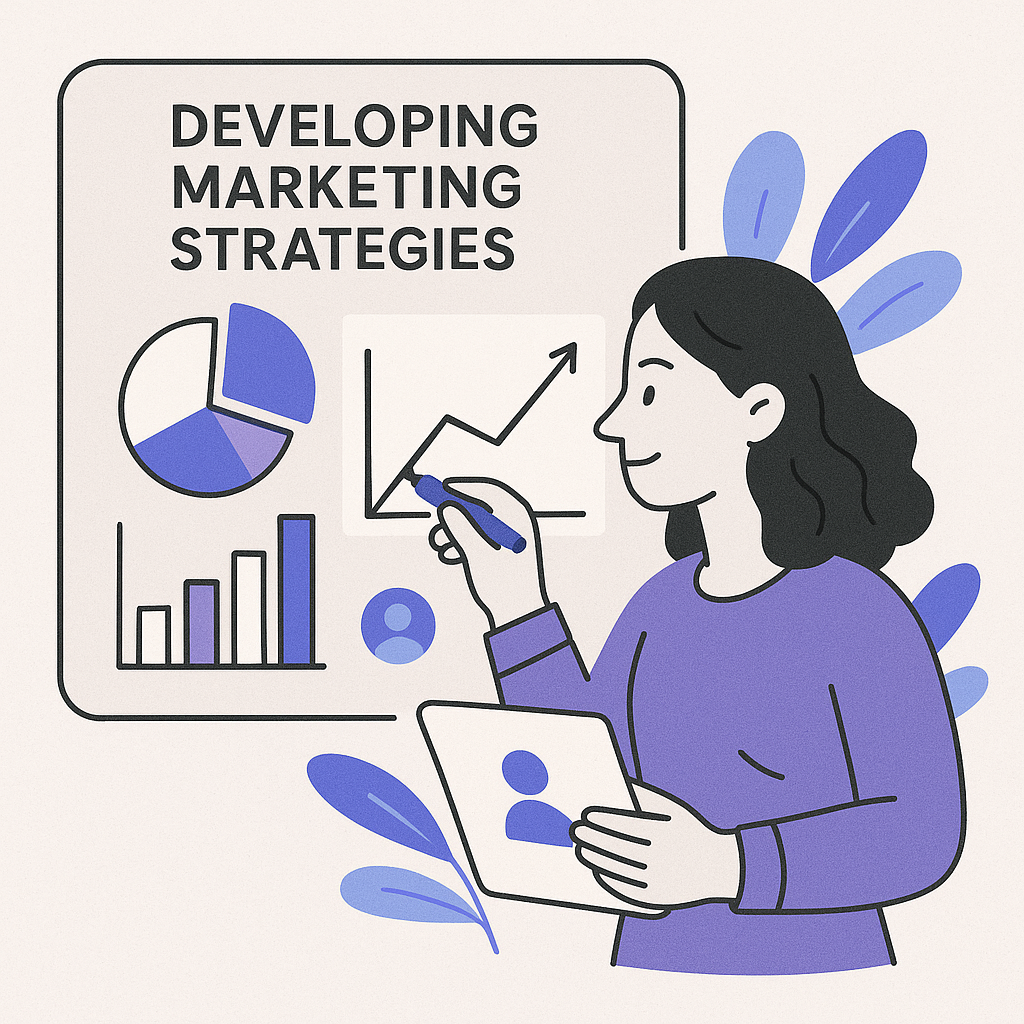
Once you understand how your audience behaves, you stop broadcasting and start targeting. Here are three strategies worth building into your system.
Personalized Marketing
Generic messaging is noise. Personalized messaging converts. Amazon’s recommendation engine is the clearest proof — it uses behavior data to surface the right product at the right moment, and it drives a significant share of their revenue. You can apply the same principle at any scale.
Predictive Analytics
Historical data is a map of future behavior. Predictive analytics lets you act before your audience signals a need, not after. That shift — from reactive to proactive — is where the real margin lives.
Content Strategy Optimization
When you know what content your audience actually engages with, you stop publishing on instinct and start publishing on evidence. Tools like ArcanoLabs automate content creation and optimization, keeping your output consistent and your EPMV moving in the right direction.
Measuring Success and Continuous Improvement
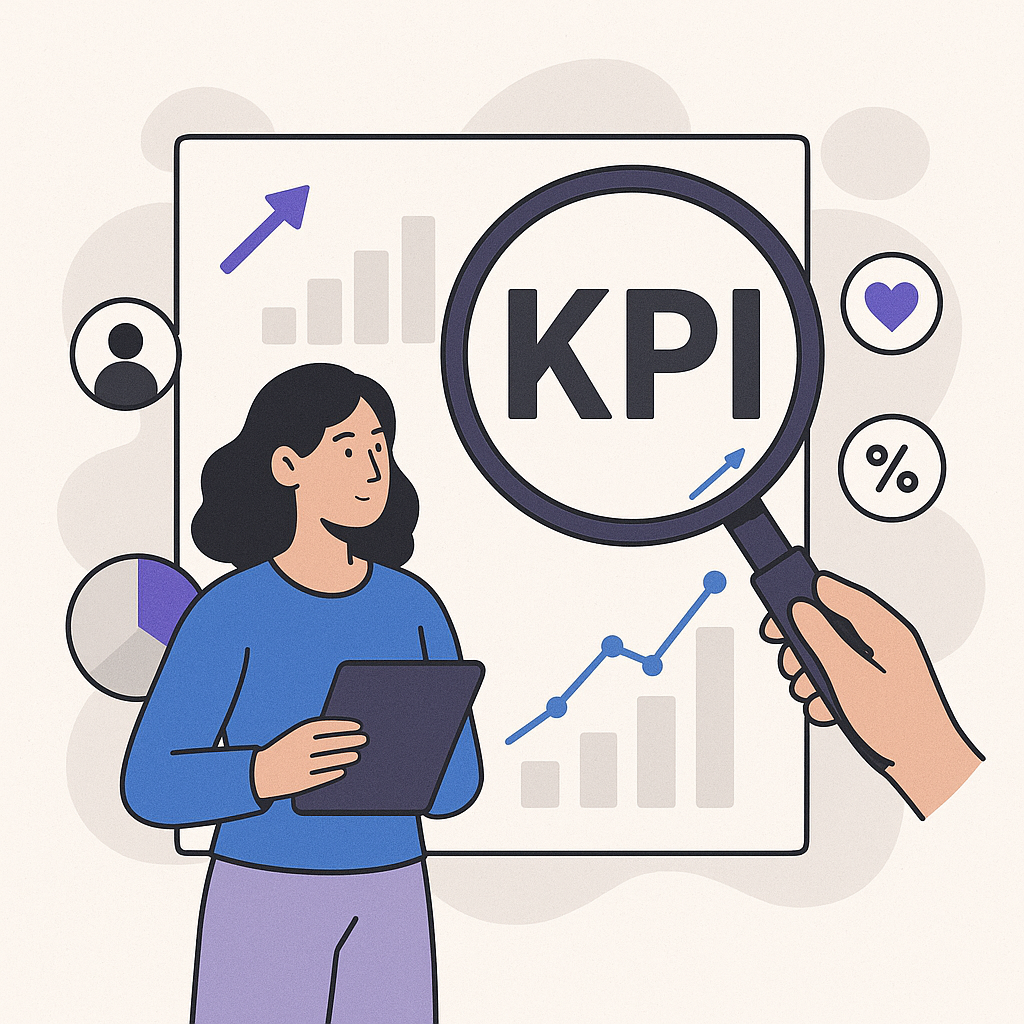
Strategy without measurement is just opinion. Track the numbers that tell you whether your system is working or needs to be rebuilt.
Key Performance Indicators (KPIs)
- Conversion Rate: The percentage of visitors who take the action you designed for.
- Customer Retention Rate: How many buyers come back over a defined period.
- Engagement Metrics: Click-through rates, time on page, social interactions — the signals that precede conversion.
Review these KPIs on a fixed cadence. The silent operator who builds in silence and earns in peace is the one who never stops tightening the system. Staying close to your data is how you maintain an edge when competitors are still debating trends.
Conclusion: Taking Action
Using consumer behavior data isn’t a campaign tactic. It’s an ongoing operating discipline. The operators who apply it consistently build marketing systems that compound — more targeted, more durable, more profitable over time. Real data. Real results. No shortcuts needed.
Start by embedding consumer behavior analysis into your workflow today. For more on building systems that rank and convert, visit ArcanoLabs Blogs.
Advanced Segmentation Techniques
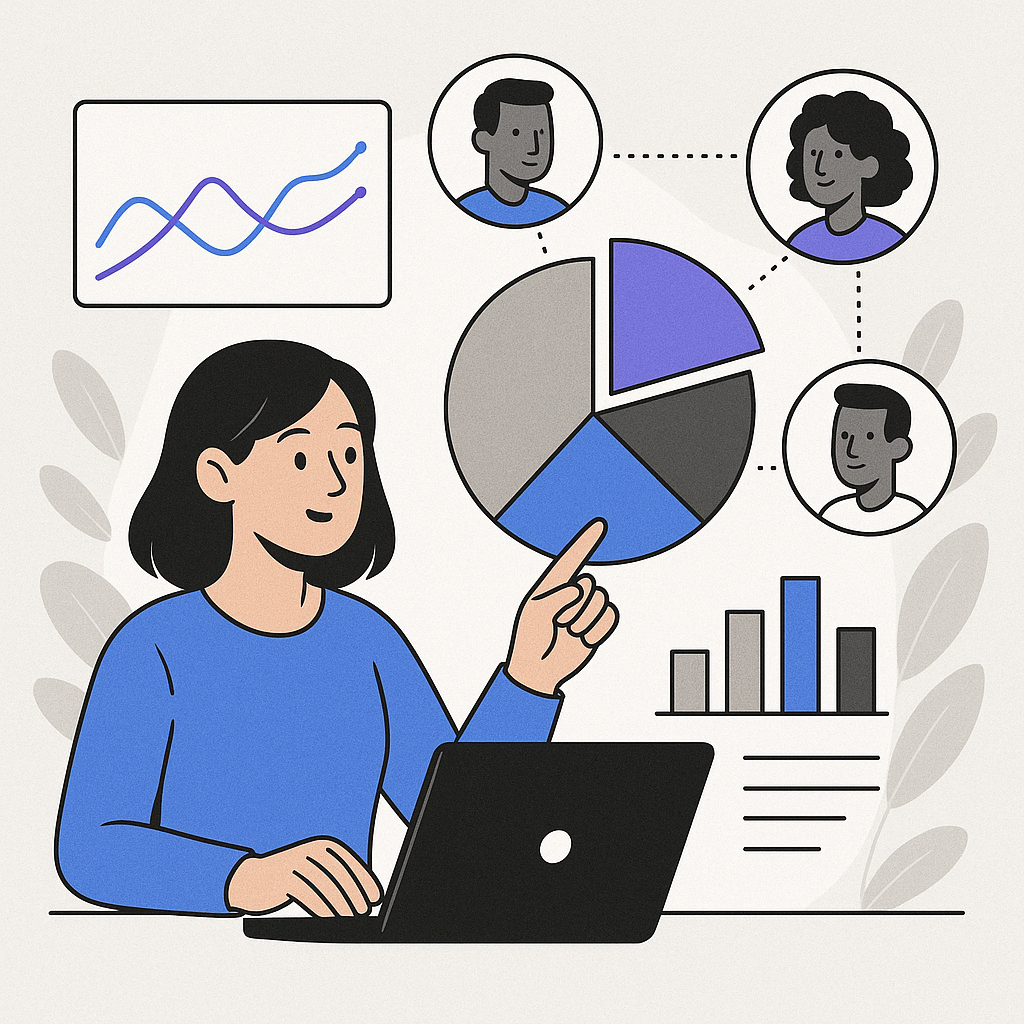
Basic segmentation gets you started. Advanced segmentation gets you precise. When you move beyond broad demographic buckets, your targeting sharpens and your conversion rates follow.
Behavioral Segmentation
Behavioral segmentation is built on actions — purchasing patterns, browsing habits, product usage frequency. It tells you not who your customer is, but what they actually do. Targeting users who consistently buy during promotional windows, for example, lets you time your campaigns for maximum return rather than maximum reach.
Psychographic Segmentation
Psychographic segmentation goes deeper. It maps beliefs, values, and lifestyle to your messaging. A brand built around sustainability doesn’t need to shout — it needs to speak directly to the segment that already holds those values. That alignment is what turns a one-time buyer into a loyal customer.
Case Studies: Successful Use of Consumer Behavior Data

Theory is useful. Proof is better. These two operators built data-driven systems that compounded quietly into dominant market positions.
Starbucks: Personalized Customer Experience
Starbucks pulls purchase history and location data through its mobile app, then uses that signal to deliver personalized offers and recommendations. The result is a rewards program that drives measurable lifts in both loyalty and sales. They didn’t build that by guessing what customers want. They built it by reading what customers already do.
Spotify: Tailored Music Recommendations
Spotify’s recommendation engine is a case study in compounding personalization. It analyzes listening behavior continuously, curates playlists, and surfaces new music that keeps users engaged and reduces churn. Machine learning refines the model with every session. The user experience gets sharper over time — and so does retention.
Integrating Consumer Behavior Data with CRM Systems
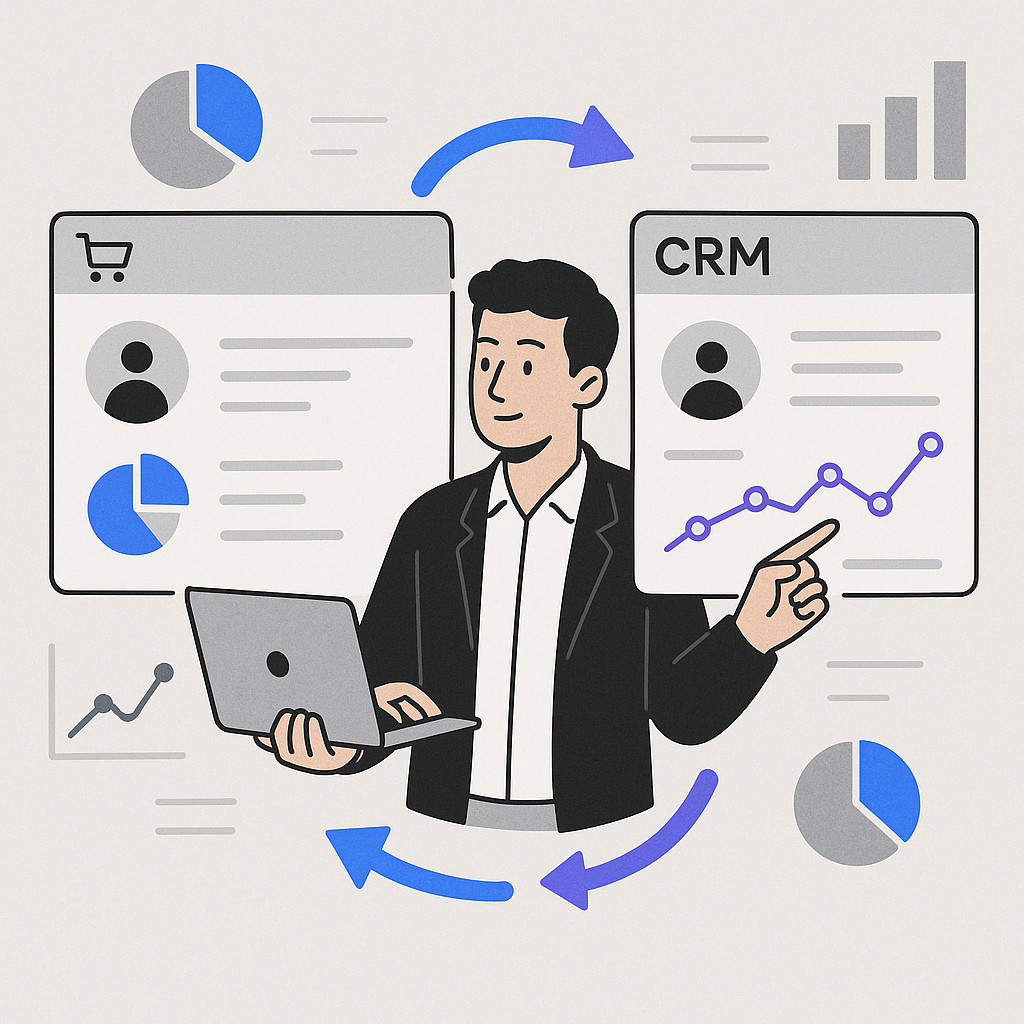
Connecting behavior data to your CRM gives you a complete picture of each customer — not just who they are, but how they act. That unified view is what makes personalized outreach feel precise instead of generic.
- Unified Data Access: All consumer data in one place means your marketing team works from the same source of truth, not siloed reports.
- Improved Customer Profiling: Behavior-enriched CRM profiles let you personalize at a level that broad demographic data simply can’t support.
- Enhanced Predictive Capabilities: Integrated data makes it possible to anticipate customer needs before they surface, enabling proactive engagement rather than reactive damage control.
Legal and Ethical Considerations

Data is only an asset if you handle it correctly. GDPR and CCPA set the floor. Violate them and you’re not just facing fines — you’re burning the trust that makes your data strategy worth anything in the first place.
- Transparency: Tell your audience exactly how their data is collected, stored, and used. No buried fine print.
- Consent: Get explicit permission before you collect. That’s not optional — it’s the baseline.
- Data Security: Lock it down. Robust security measures protect your customers and your operation from exposure.
Handle these correctly and you build something more valuable than a data set. You build trust — and trust compounds just like everything else in a well-run system.
Using Social Listening for Consumer Insights

Social listening turns public conversation into actionable intelligence. Monitor mentions of your brand, your competitors, and your niche across social platforms and you get real-time data on what your audience actually thinks — unfiltered and unscripted.
- Identify Consumer Sentiment: Know how your audience feels about your brand right now, not six months from now when a survey comes back.
- Trend Analysis: Spot shifts in consumer behavior and preferences early enough to act on them, not just react to them.
- Engagement Opportunities: Find the moments where direct engagement makes sense — and use them to build relationships that outlast any single campaign.
Add social listening to your data stack and you gain a dynamic, real-time layer of consumer insight that static analytics alone can’t provide. The silent operator who builds in silence and earns in peace is always listening — just not where everyone else is looking.


Leave a Reply