


The Impact of AI on Content Creation: Trends and Predictions for 2026
Content is already being written, optimized, and published while you sleep. That’s not a forecast — it’s happening right now. By 2026, the share of online content touched by AI tools will be larger than most people expect. Here’s what the numbers actually show, how the mechanics work, and what you should do about it.

The Current State of AI in Content Creation

AI is already embedded in how most serious content operations run. Businesses use it to generate drafts, read audience behavior, and tighten SEO — and adoption is accelerating. By 2026, the tools will be faster, cheaper, and more accurate. The operators who understand the system now will have a real head start.
AI Tools You Should Know
- Grammarly: Goes beyond spell-checking — it flags tone issues and suggests style adjustments in real time.
- Jasper: Generates human-readable text for blogs, ads, and product copy at scale.
- Canva: Uses AI to help anyone produce clean visuals without a design background.
These tools shift your time away from mechanics and toward strategy. Teams that use them consistently report faster output and stronger engagement numbers — not because the tools are magic, but because the system compounds.
Trends to Watch: AI’s Impact by 2026

Three shifts are already in motion. Each one changes how owned traffic gets built and held.
1. Hyper-Personalization
AI will tailor content to individual behavior at a level that goes well beyond putting someone’s name in an email. It reads browsing history, past purchases, and on-site behavior, then serves content matched to where that person actually is. The result is higher time-on-page and lower bounce rates — both of which feed your rankings.
2. Predictive Content
Instead of guessing what will perform, AI reads the data and tells you before you publish. That means fewer wasted articles and a tighter return on every hour you put into the system. Data-driven decisions replace gut calls, and the receipts show it in conversion numbers.
3. Voice and Visual Content
Smart speakers and visual search are pulling more queries away from typed text. AI tools now transcribe, translate, and reformat written content into audio and video with minimal manual work. If your content only lives in one format, you’re leaving owned traffic on the table.
How to Prepare for AI’s Future in Content Creation

You need a system, not a wish list. Here’s where to start:
- Invest in the right tools: Start with tools like Logitech MX Master 3S and Keychron K2 to build a faster, more consistent content workflow.
- Feed the system data: Use analytics to understand exactly what your audience reads, shares, and acts on. AI performs better the more signal you give it.
- Keep learning: The tools move fast. Platforms like The Silent Webmaster Resources track what’s working so you don’t have to start from scratch.
Each of these steps builds on the last. That’s how a system compounds — slowly at first, then faster than you expect.
Predictions: The AI Content Landscape in 2026

Here’s where the data points:
- AI-generated content will dominate volume: A significant share of articles, product descriptions, and video scripts will have AI in the production chain. That’s already true in newsrooms and e-commerce.
- Quality will rise alongside quantity: AI surfaces audience preference data that human editors can act on. Content gets sharper because the feedback loop is faster.
- New roles will emerge: As AI handles routine production, the valuable work shifts to AI content strategists — people who set direction, review output, and make judgment calls the machine can’t.
That’s the real answer to where this is heading. The operators who build the system now won’t be scrambling to catch up in 2026.
Actionable Next Steps
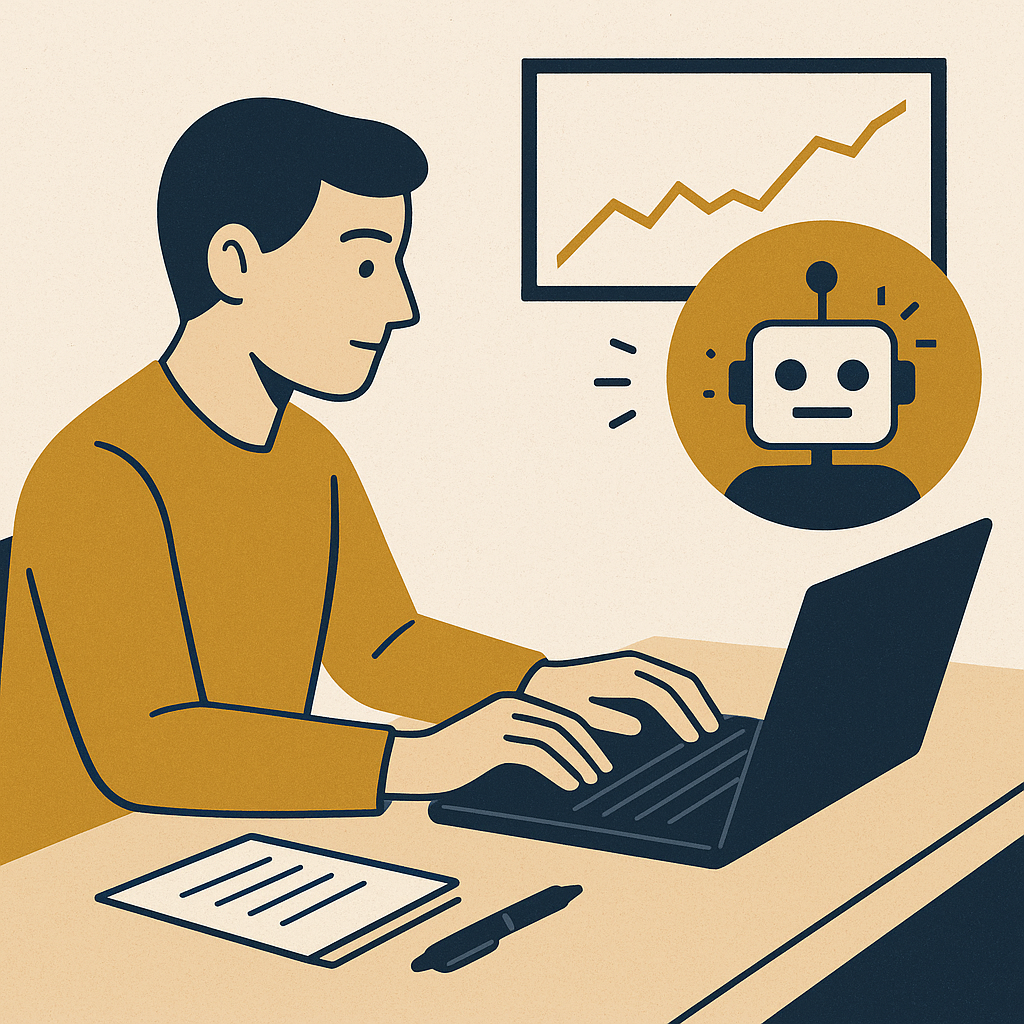
Here’s the clear next step, broken into three moves:
- Start small: Drop one AI tool into your current workflow. Run it on a small project. Check the output against your baseline numbers before you scale.
- Track and adjust: Pull your analytics weekly. Let the data tell you what’s working. Adjust based on what you see, not what you assume.
- Stay plugged in: Join communities where people share real results. The Silent Webmaster Blog publishes breakdowns of what’s actually moving the needle.
AI doesn’t replace the thinking you bring to your content. It handles the repetitive work so your thinking goes further. That’s the whole point of building a system that runs while you sleep.
For more on building content systems that generate owned traffic around the clock, visit The Silent Webmaster. The receipts are there. So is the roadmap.
AI-Driven Content Optimization Techniques
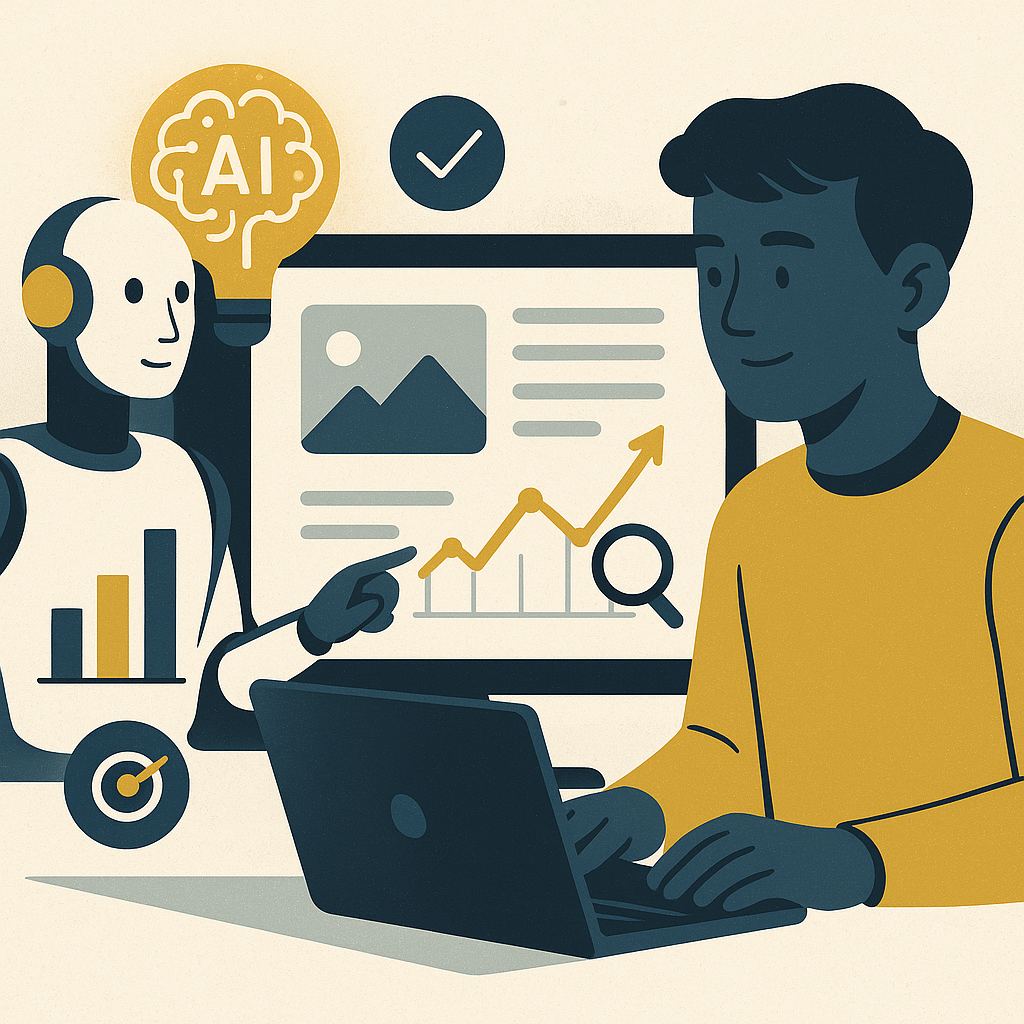
Getting content published is one thing. Getting it to perform is another. AI gives you three specific levers to pull on the optimization side, and each one has a measurable effect on traffic and engagement.
1. Real-Time Content Adaptation
An AI system can watch how users move through a page — where they slow down, where they drop off — and adjust the layout or call-to-action on the fly. That means your content is actively working to hold attention rather than sitting static. The result shows up in time-on-page and click-through numbers.
2. Semantic SEO
Search engines don’t just match keywords anymore — they read intent. AI tools map the semantic relationship between words and phrases so your content lines up with what people actually mean when they search, not just what they type. That alignment drives more targeted owned traffic from the same amount of writing.
3. Emotion-Based Content Tailoring
AI can read social sentiment and audience feedback at scale, then flag the emotional angles that land with your specific readers. When you know which emotional triggers drive shares and return visits, you write to those — and the engagement numbers follow.
AI Content Creation Case Studies

Two organizations have already put this on the record. Here’s what their receipts look like.
1. The New York Times: Enhancing Reader Engagement
The Times used AI to analyze reader preferences and on-site behavior patterns. They fed those insights into a content recommendation system. The result was higher reader retention and a measurable rise in subscription rates — owned traffic that compounds because readers keep coming back.
2. Coca-Cola: Creative Content Generation
Coca-Cola brought AI into its brainstorming and content production process for marketing campaigns. The brand produced a wider range of materials across more audience segments without proportionally growing the team. Broader reach, same headcount — that’s the system working.
Key Performance Indicators (KPIs) for AI-Enhanced Content
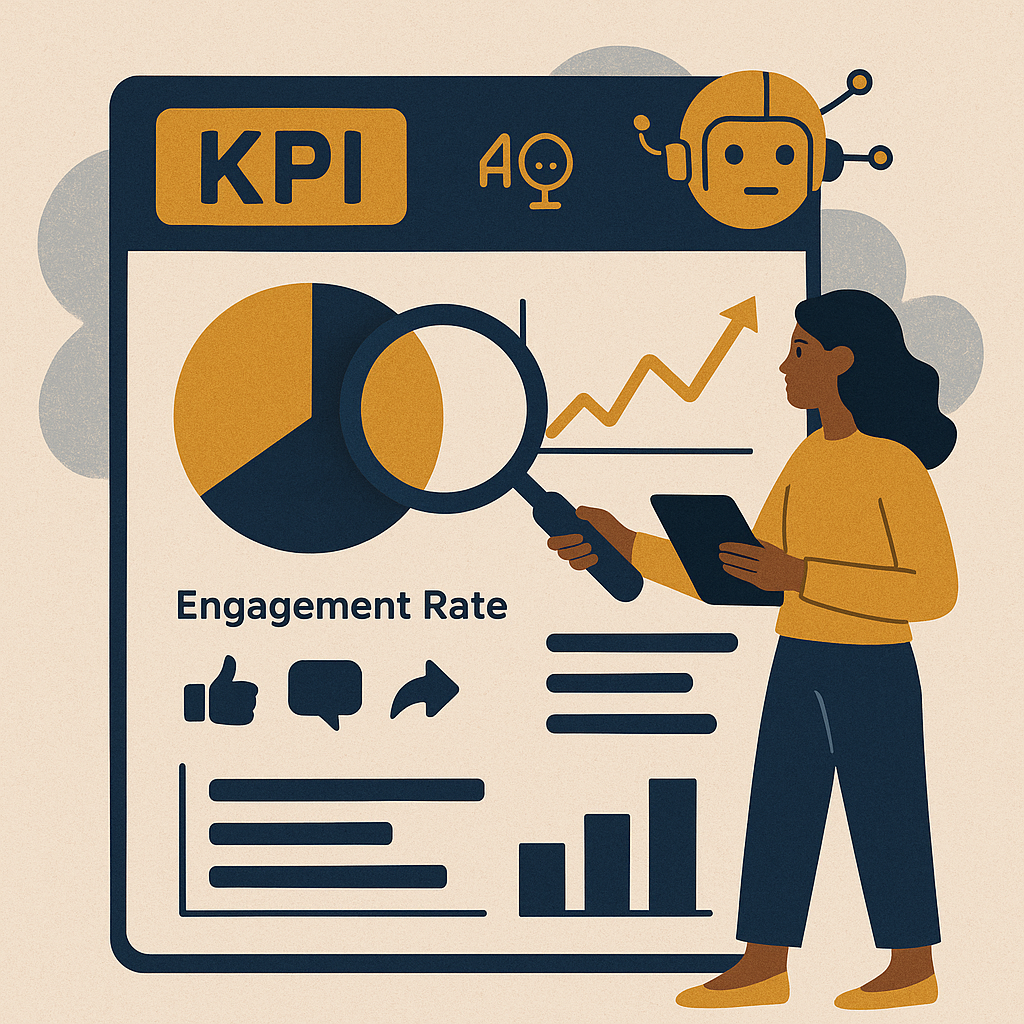
You can’t manage what you don’t measure. These are the four numbers worth tracking when AI enters your content system:
- Engagement Rate: Likes, shares, comments, and time on page. This tells you whether AI-assisted content is actually holding attention or just filling space.
- Conversion Rate: Are more readers taking the action you want? Track this before and after AI optimization so you have a clean before-and-after comparison.
- Content Relevance Score: AI tools can score how well your content topics match your audience’s actual interests. Low scores tell you where to redirect effort.
- Sentiment Analysis: What emotional response is your content producing? This feeds directly into how your brand is perceived over time.
FAQs on AI in Content Creation

Three questions come up consistently. Here are straight answers.
1. Can AI replace human creativity?
No. AI is strong at pattern recognition, data analysis, and high-volume output. It doesn’t have judgment, taste, or the ability to read a room. The real answer is that AI handles the mechanical work so you can spend more time on the creative decisions that actually differentiate your content.
2. How secure is AI-generated content?
That depends entirely on how you set up the system. You need solid data security practices and compliance with privacy regulations in place before you pipe sensitive information through any AI tool. The technology isn’t the risk — sloppy implementation is.
3. What does it cost to implement AI in content creation?
It varies by scale and toolset. Entry-level tools cost less per month than a single freelance article. Enterprise-grade systems cost more. The receipts on efficiency gains and improved output quality typically justify the spend within the first few months for most operations.
Integrating AI with Traditional Content Strategies

The strongest content operations don’t choose between AI and traditional strategy — they run both together. AI brings the data and the speed. Your existing strategy brings the voice, the audience knowledge, and the editorial judgment. When those two things work in the same direction, the content stays authentic and the system compounds. That’s where the real efficiency lives.
Disclosure: this article may contain affiliate links. If you buy through them, we may earn a small commission at no extra cost to you.



Leave a Reply