


The Solo Operator’s Guide to a $10,000/Month Business
A Solo Operator Running $10,000 a Month Doesn’t Need Eight Random Tools — They Need Eight Tools That Feed Each Other
Ten thousand dollars a month. No team. No office. Just one person and a stack of eight tools that talk to each other. That’s not a pitch — that’s what the receipts look like when every piece of software feeds the next one instead of sitting in its own corner. This guide walks you through exactly how that system works and what each tool is actually doing to earn its place.

Why Most Solo Stacks Fail (And Why Yours Won’t)
Most solo operators don’t fail because they picked bad tools. They fail because they picked too many tools that don’t talk to each other. You end up switching context a dozen times a day — from your traffic dashboard to your email platform to your payment processor — and none of those tabs share data. That context-switching is where the $10,000 a month goes to die.
The real answer isn’t finding the best individual tool in each category. It’s finding eight tools where the output of one becomes the input of the next. That’s what compounds. A stack built that way keeps working while you sleep. A stack built any other way just keeps billing you.
Tool 1: The Owned Traffic Engine (Content + SEO)

Owned traffic is the foundation. A post you published two years ago can still send you three hundred visitors today — and it didn’t cost you anything to run it overnight. That’s the compounding effect of content built on a platform like WordPress, where the SEO capabilities let your site grow its reach month over month without you paying for every click.
Renting attention through paid ads or social algorithms means the moment you stop paying, the traffic stops. Owned traffic doesn’t work that way. The longer the system runs, the cheaper each visitor gets. For a closer look at squeezing more out of your SEO effort, see our guide on maximizing SEO with AI tools.
Tool 2: The Conversion Layer (Email or CRM)
Traffic without a conversion layer is just a number in your analytics dashboard. Email is where that number turns into something you actually own. A social media following can be taken from you when an algorithm shifts. An email list can’t. It’s a direct line to your audience that you control.
Whether you use a dedicated email service or a full CRM depends on where your business sits right now, but the goal is the same: capture visitors and nurture them into buyers. At the $10,000-a-month level, you need to know your cost-per-subscriber — because that figure tells you exactly how efficiently your list-building is converting traffic into revenue.
Tool 3–5: The Monetization Stack (Payment, Delivery, Analytics)
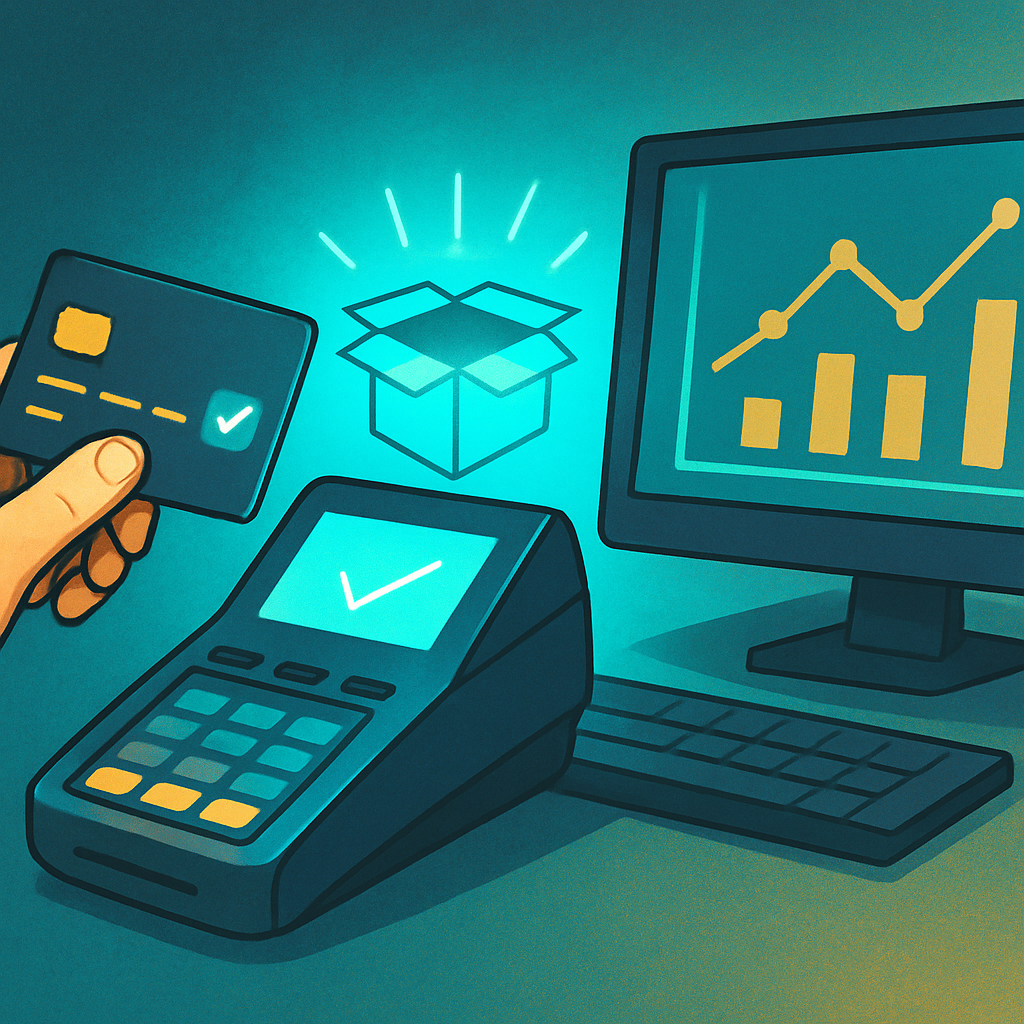
These three tools are a single unit. Your payment processor — Stripe, Gumroad, or something similar — handles the transaction and directly affects your fees and the buyer’s experience. Your delivery mechanism, whether that’s a course platform or a membership site, needs to hand off the product without friction the moment payment clears. And your analytics tool needs to sit across both, connecting traffic sources to actual revenue so you can see what’s working.
Treat these as three separate purchases and you’ll have three separate problems. Treat them as one cohesive monetization layer and they become the financial engine the whole system runs on.
Tool 6–8: The Automation and Scaling Layer (Scheduling, Workflows, Backup)
This is the layer that removes you from the repetitive work. A content scheduling tool keeps your posts going live on time without you sitting at a keyboard. Workflow automation handles email sequences, customer onboarding, and follow-ups — delivering a consistent experience to every person who comes through, whether it’s Tuesday morning or Saturday at 2 a.m.
Backup and monitoring tools are the quiet ones in the stack. You won’t think about them until something breaks, and then you’ll be very glad they’re there. Together, this layer is what makes the system run while you sleep instead of requiring you to babysit it.
How the Stack Compounds: Real Numbers
Here’s where the receipts matter. The monthly cost of this full stack is manageable — and every tool in it earns its place by contributing directly to the revenue number. Your monetization layer might be responsible for a specific slice of the $10,000 a month, but as your owned traffic compounds and your list grows, that number scales without you adding headcount.
Getting to $20,000 or $50,000 a month with the same eight tools is possible because the system compounds — each layer feeds the next one more efficiently over time. If you want to see what that trajectory looks like at exit, read our breakdown of a $200K site exit.
The Setup That Matters: Connections Over Features
Integration is the real skill. A tool’s value isn’t in its feature list — it’s in what it connects to. The non-negotiable integrations are the ones that link your traffic engine directly to your conversion layer, and your conversion layer directly to your monetization stack. When you’re evaluating a new tool, the only question that matters is whether it feeds the system or creates a silo.
The red flag is a tool that looks powerful in isolation but breaks the flow between your other tools. A gap anywhere in that chain means data stops moving, and when data stops moving, revenue follows.
Your Next Step: Start With Traffic, Not Tools
The first thirty days should be entirely focused on content. No payment processor. No automation workflows. Just the traffic engine running. That way, when you do add the monetization and conversion layers, you already have something to point them at.
Add each layer in order: traffic first, then conversion, then monetization, then automation. That sequence prevents tool waste and makes sure every dollar you spend on software is working against a real audience.
Head over to The Silent Webmaster to see the exact setup, the integrations, and the real revenue breakdown from operators running this stack. The system is already built. You just need to put it in place.
Leveraging AI for Efficiency and Personalization
AI tools earn their place in this stack by handling work that would otherwise require a hire. An AI-driven chatbot answers customer questions around the clock — no delay, no payroll. AI-assisted email tools analyze subscriber behavior and adjust what gets sent to whom, which means your campaigns get more targeted without you manually segmenting a list every week.
On the analytics side, AI surfaces patterns in your data that would take hours to find manually — trends in content performance, shifts in conversion rates, signals in customer behavior that point toward a pricing or positioning adjustment. That’s not a feature you’re paying extra for. That’s the system getting smarter while you sleep.
Building a Strong Brand Identity
Your brand is the experience someone has every time they touch your business — the post they read, the email they open, the checkout page they land on. Consistency across all of those touchpoints builds the kind of trust that turns a first-time visitor into a repeat buyer. That trust is what makes the $10,000-a-month number stable instead of volatile.
Three things to nail down early:
- Define Your Brand Values: Know what your business stands for and make sure every piece of content and every customer interaction reflects it.
- Create a Visual Style Guide: Lock in your color palette, typography, and imagery standards so every platform looks like it belongs to the same operation.
- Craft a Consistent Voice: The way you write a blog post should feel like the same person who wrote your welcome email. Consistency there builds familiarity, and familiarity builds buyers.
Understanding Legal and Compliance Requirements
This part isn’t optional. If you’re collecting email addresses or processing payments — and you are — you need to understand what GDPR, CCPA, and similar regulations require of you, especially if any of your traffic comes from outside your home country.
Three documents every solo operator needs in place:
- Privacy Policy: Spell out exactly how you collect, use, and protect customer data. Put it somewhere visitors can actually find it.
- Terms of Service: Define the rules of the relationship between you and your customers. This protects you when disputes come up.
- Intellectual Property Protections: Make sure your content and brand assets are legally protected so someone else can’t build on what you built.
A one-time conversation with a legal professional to get these documents right is a small cost compared to what a compliance problem costs later.
Developing a Customer Feedback Loop
The operators running this stack at $10,000 a month and above aren’t guessing what their audience wants. They have a system for finding out. A feedback loop — surveys, review monitoring, direct replies — gives you the data to improve your products and your messaging without hiring a research team.
Three ways to build it:
- Use Surveys and Polls: Send them regularly. Short ones get answered. Long ones don’t.
- Monitor Social Media and Reviews: Public feedback tells you what people say when they think you’re not listening. Pay attention to it.
- Act on What You Hear: Close the loop by making changes based on feedback and telling your audience you did it. That alone builds more loyalty than most marketing campaigns.
Setting Realistic KPIs and Metrics
You can’t manage what you don’t measure. Four numbers every solo operator running this stack should watch every week:
- Traffic Growth Rate: Is your owned traffic actually growing month over month? If not, the content engine needs attention.
- Conversion Rate: What percentage of visitors are taking the next step — subscribing, buying, signing up? Even a one-percent improvement here moves the revenue number significantly.
- Customer Acquisition Cost (CAC): What does it cost you to bring in one paying customer? Compare that against what that customer is worth and you’ll know immediately whether the system is profitable.
- Average Revenue Per User (ARPU): This tells you how effectively your monetization layer is working. A rising ARPU with flat traffic is a sign the system is compounding the right way.
Review these on a fixed schedule. The numbers will tell you where to focus before a small problem becomes an expensive one.



Leave a Reply