


You open your laptop one morning, coffee still hot, and there it is — a confirmed wire transfer for $200,000. Your website just sold. No team. No office. No paid ads. Just a system that kept compounding while you slept, and a buyer who looked at the receipts and said yes. That’s not a fantasy. It’s a plan. Here’s exactly how the numbers add up, and how you build the same thing yourself.

The Anatomy of a $200K Site Exit
It’s not a big team or a flashy marketing budget behind these deals. The real answer is owned traffic and a system that runs without you. In 2024, buyers are actively paying premium multiples for sites with reliable, documented revenue. Here’s what those sites have in common:
- Consistent Traffic: Sites with a steady, organic visitor count stand out. Owned traffic built through SEO compounds over time and doesn’t disappear when you stop paying for it.
- Diverse Revenue Streams: Display ads, affiliate commissions, and digital products together. A buyer looking at three income sources sees less risk than a buyer looking at one.
- Automated Operations: The less you have to touch it, the more it’s worth. AI tools and streamlined processes turn a job into an asset.
Building the Foundation: Traffic and Content
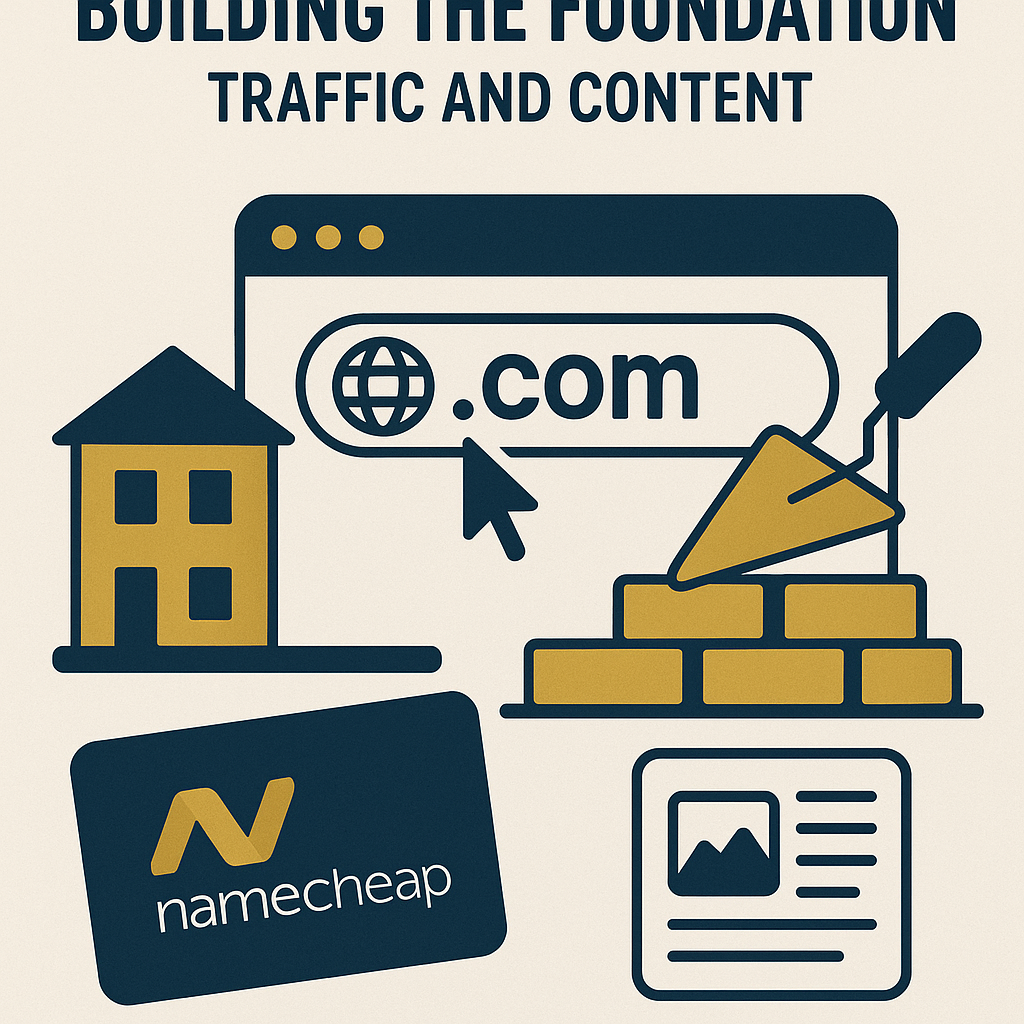
Start with your domain. A clean, brandable name sets the tone for everything that follows. Namecheap is a straightforward option for affordable registration. Once that’s locked in, your focus goes entirely to content that pulls owned traffic.
SEO is the engine here. Use a tool like Yoast SEO and go after long-tail keywords in your niche. This isn’t a strategy for quick wins — it’s a system that compounds. Every article you publish is another asset working for you while you sleep.
AI content automation tools can help you scale that output without scaling your hours. They handle idea generation, SEO structure, and first drafts. You stay focused on strategy and the decisions that actually move the needle.
Monetization Strategies: More Than Just Ads
A $200K exit doesn’t come from a single ad network check. The receipts need to show multiple streams. Here’s how operators build that picture:
- Affiliate Marketing: Place affiliate links naturally inside content that already serves the reader. A tech review site linking to a product like the Logitech MX Master 3S earns a commission on every sale without any extra work on your end.
- Digital Products: eBooks, courses, and downloadable guides generate income that doesn’t require inventory or fulfillment. Once built, they sell while you sleep.
- Membership Models: Premium content or community access behind a subscription fee adds predictable monthly revenue — exactly what buyers want to see.
Streamlining Operations: Automation is Key
Buyers pay more for sites that don’t need a full-time operator. The closer your site runs to hands-free, the stronger your valuation. Project management tools like Asana or Trello keep your processes documented and repeatable. Buffer or Hootsuite handle social scheduling so you’re not tied to a posting calendar.
AI tools can cover content drafts and basic customer service responses, cutting your weekly hours down significantly. Less time in means more value out — and a cleaner story to tell a buyer.
Finalizing the Sale: The Exit Strategy
When you’re ready to sell, the work is mostly in the presentation. Buyers want clean financial statements, clear traffic data, and a documented picture of every revenue stream. Platforms like Flippa and Empire Flippers connect you directly with buyers who are actively looking for established sites with proven receipts.
Before you list, make sure the site itself is in order — responsive design, current content, no broken links. A well-maintained site tells a buyer they’re getting a sound asset, not a project.
Next Steps: Start Building Your Own System
You now know what the system looks like. The next move is to start building yours. Pick a niche you understand, register a domain with Namecheap, and start publishing content that earns owned traffic.
Build the traffic first. Then layer in the revenue streams. Then automate what you can. The goal is a system that compounds while you sleep — one where the numbers do the talking when a buyer eventually shows up. For step-by-step guidance, start with The Silent Webmaster’s tutorials.
The receipts don’t lie. Start building them today.
Legal and Financial Considerations for a Successful Exit
Before you close a deal, there are two areas that can quietly derail it if you ignore them: legal and financial. Neither is complicated, but both need to be clean before a serious buyer shows up.
Legal Preparations
- Intellectual Property: Every piece of content, every logo, every image needs to be legally yours. If you outsourced anything, make sure the contracts transferred ownership to you.
- Contracts and Agreements: Review your affiliate and advertiser agreements. Outstanding disputes or unclear obligations give buyers a reason to walk or negotiate you down.
- Privacy Policies and Terms of Service: Keep these current with GDPR, CCPA, and whatever applies to your audience. A buyer doing due diligence will check.
Financial Preparations
- Detailed Financial Records: Every revenue stream, every expense, every month. Accounting software like QuickBooks keeps this organized and audit-ready.
- Valuation Assessment: A professional valuation gives you a defensible number to anchor negotiations. It also tells you if you’re leaving money on the table.
- Tax Implications: A $200,000 sale has tax consequences. Talk to an advisor before you list so you know your actual net number going in.
Case Study: A Successful $200K Site Exit

Here’s a real example of how the system plays out. Sarah is a solo operator who sold her niche blog for $200,000. No co-founder. No staff. Just a site she built into an asset with documented receipts.
The Journey to $200K
Sarah launched her sustainable living blog in 2018. She picked the niche because she knew it and the audience was growing. Here’s how she got to the exit:
- Content Strategy: She published SEO-optimized articles consistently and brought in guest writers to keep the content calendar full without burning out.
- Monetization: Affiliate commissions, digital guides, and a membership area with exclusive content. Three streams, all documented.
- Audience Engagement: A newsletter and active social presence kept her audience loyal. Engagement metrics are part of the receipts a buyer reads.
- Automation and Outsourcing: She automated social posting and outsourced design work. That freed her to focus on the decisions that actually grew the site.
The Sale Process
When Sarah was ready to sell, she did the preparation work that made the difference:
- Platform Selection: She listed on Empire Flippers because their buyer pool specifically targets established online businesses with proven revenue.
- Presentation: Detailed analytics, clean financial statements, and a prospectus that laid out the site’s strengths and growth trajectory. The receipts were organized and easy to read.
- Negotiation: A loyal community and three revenue streams gave her leverage. She closed at $200,000.
Key Performance Indicators (KPIs) to Monitor
The numbers you track today become the receipts a buyer reads tomorrow. Keep a close eye on these:
- Traffic Metrics: Unique visitors, page views, and bounce rate tracked monthly in Google Analytics. These tell the story of your owned traffic over time.
- Conversion Rates: Affiliate click-through rates and product sales conversions show a buyer that your traffic actually does something.
- Revenue Growth: Month-over-month and year-over-year figures. Consistent growth is the single most persuasive thing you can show a buyer.
- Customer Engagement: Email open rates, click-through rates, and social interactions. An engaged audience compounds in value the same way traffic does.
Track these consistently and you’ll always know where your site stands — and so will any buyer who asks.
Advanced Traffic Growth Techniques
Once your SEO foundation is solid, there are a few additional moves that push owned traffic higher without a paid ads budget:
- Guest Posting: Write for established sites in your niche. A well-placed guest post sends targeted readers directly to you and builds the domain authority that makes your SEO compound faster.
- Social Media Contests: A well-structured giveaway on the right platform can bring in a significant burst of new visitors. The key is making sure what you’re giving away attracts your actual target audience, not just anyone chasing a prize.
Disclosure: this article may contain affiliate links. If you buy through them, we may earn a small commission at no extra cost to you.



Leave a Reply